The Science of -60°C Dew Point
In Lithium-ion battery manufacturing, moisture is the single greatest enemy of quality and safety. During the electrolyte filling and cell stacking phases, any ambient water vapor reacts with lithium salts (such as LiPF₆) to generate hydrofluoric acid (HF). This corrosive acid degrades the organic electrode material, creates micro-voids, and releases flammable hydrogen gas, causing eventual cell swelling, thermal runaway, and reduced battery life.
For gigafactories and pilot R&D labs alike, maintaining an ultra-dry atmosphere with a dew point between -40°C and -65°C is not optional — it is a foundational process requirement.
Humidity Range Benchmarks
| System Type | Limit Dew Point | Suitable Application |
|---|---|---|
| Standard Comfort HVAC | 10°C to 15°C | Commercial offices, public buildings |
| Refrigerant Dehumidifiers | 0°C to 4°C | Warehouses, general storage |
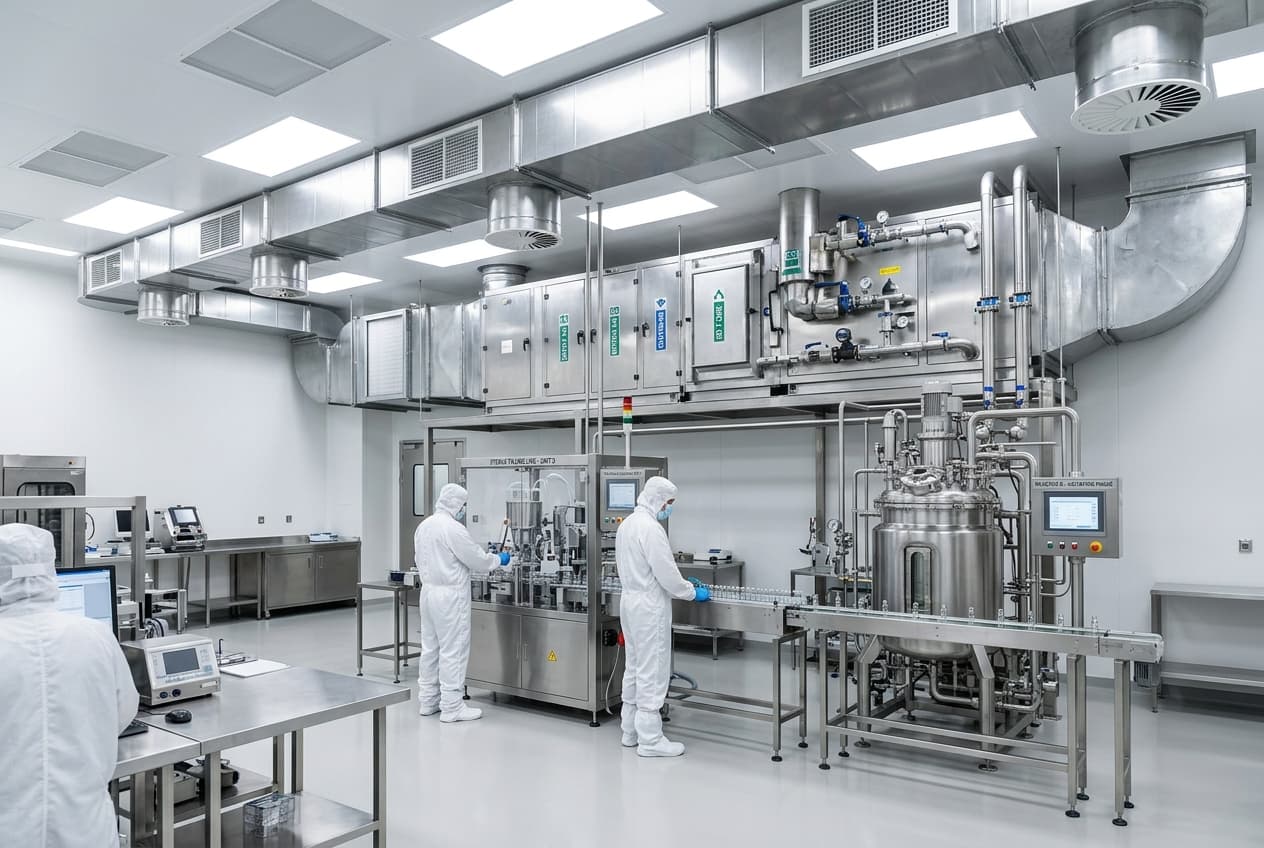
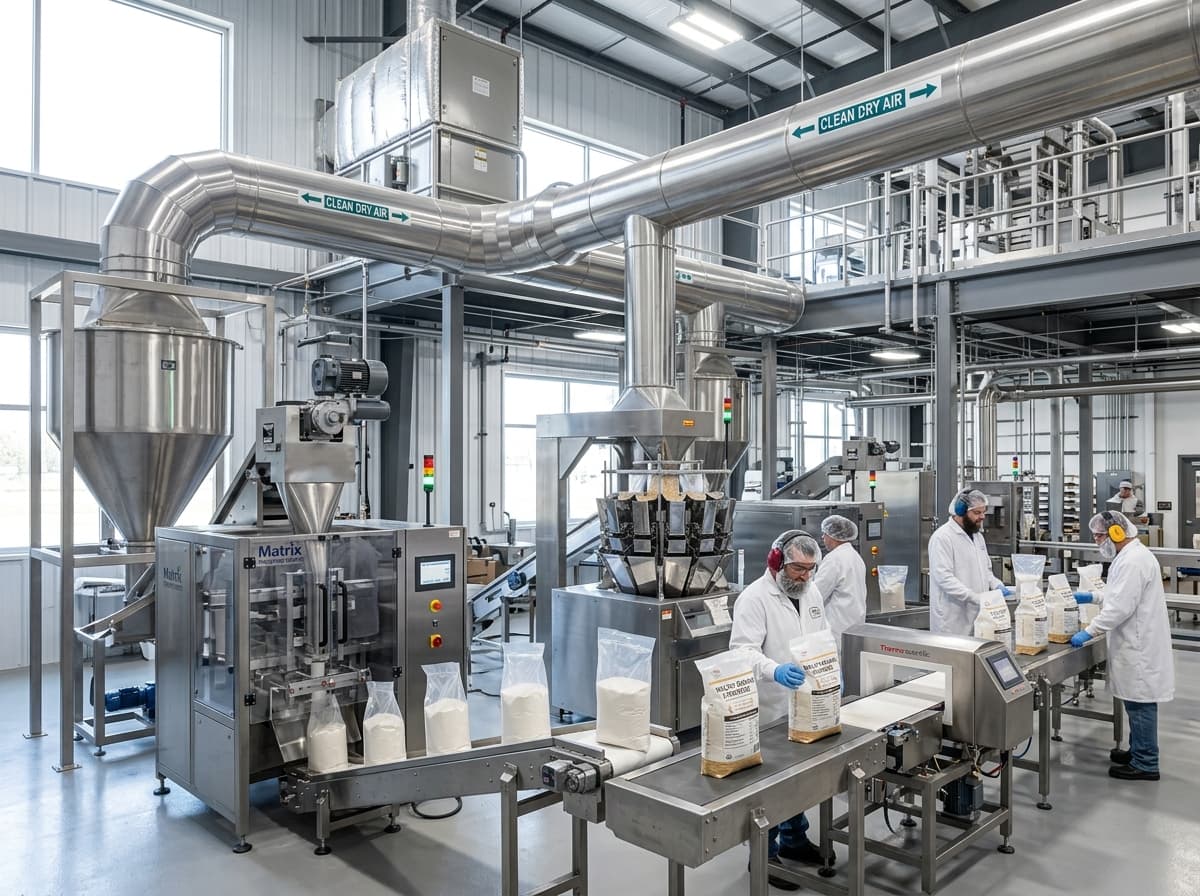
| Standard Silica Gel Rotor | Down to -30°C | Pharmaceutical cleanrooms, confectionery plants |
| Sorptech Molecular Sieve Suite | Down to -65°C | Lithium-ion & solid-state cell dry rooms |
While standard desiccant rotors lose moisture retention capability at low vapor pressures, SORPS uses customized composite rotors with molecular sieve 3A/4A lattices. This chemical structure exhibits high adsorption capacity even when air is already extremely dry.
Airtight Dry Room Parameters
Achieving a -60°C dew point requires a holistic system. A desiccant dehumidifier is only as good as the envelope it serves. Our systems are engineered to manage the unique variables of dry rooms:
Air Infiltration & Pressurization
- Positive room pressure (+15 to +30 Pa) to block moist air leaks
- Airlock vestibules and ante-rooms for personnel access
- Double-wall hermetic ducts with zero leak ratings
High Ventilation Exchange
- 30 to 50 air changes per hour (ACH) to maintain dew point stability
- Integrated HEPA filters (H13/H14) for Class 100 particle cleanliness
- Post-cooling modules to maintain temperature at 20°C ± 1°C
Sorptech Ultra-Low Dew Point Features
Advanced Composite Rotors
Co-structured silica gel and molecular sieves chemically bonded to a fiberglass matrix, preventing dusting and degradation over a 10+ year service life.
Thermal Energy Recovery Loops
Reactivation exhaust heat recovery preheats the regeneration sector. Purge zones cool the hot rotor before it enters the process air stream, improving dry bulb efficiency.
Smart Dew-Point Logic Controls
Modulating PID controller adjusts electric/gas heating SCR controllers and rotor RPM based on real-time returns, keeping dew point variance within ±0.5°C.
Frequently Asked Questions
Why is a -40°C to -65°C dew point critical for lithium battery assembly?
Lithium metal and lithium salts (like LiPF6 in the electrolyte) react violently with water vapor, forming hydrofluoric acid (HF) which corrodes components and releases toxic, flammable hydrogen gas. Keeping the dew point extremely low (typically -40°C to -65°C) prevents this reaction entirely, ensuring cell safety and shelf life.
How do desiccant dehumidifiers differ from refrigeration systems in dry rooms?
Refrigeration dehumidifiers remove moisture by cooling air to condense water. Below 0°C, the cooling coils freeze, rendering them useless for dry rooms. Desiccant dehumidifiers use a chemical rotor (silica gel or molecular sieve) to adsorb moisture directly from the air phase, working efficiently down to -70°C dew point.
What is the role of reactivation/regeneration air in desiccant units?
As the rotor slowly rotates, it adsorbs moisture from the process air. Reactivation air is heated to 120–140°C and passed through a separate sector of the wheel to evaporate and exhaust the collected moisture to the outside, continuously regenerating the rotor's drying capacity.
Does SORPS offer integrated energy recovery for battery dry rooms?
Yes. Battery dry rooms require high reactivation energy. We integrate run-around energy recovery loops, purge sectors, and heat recovery wheels that capture heat from the hot exhaust reactivation air to preheat incoming reactivation air, reducing overall system power consumption by up to 35%.
Are molecular sieve rotors required for battery dry rooms?
Yes, for dew points below -40°C, a molecular sieve or high-density silica gel/molecular sieve composite rotor is necessary. Standard silica gel rotors lose efficiency at extremely low relative humidities. Sorptech utilizes premium composite rotors designed specifically for deep dehumidification.
Related Industries


Related Dehumidifier Systems
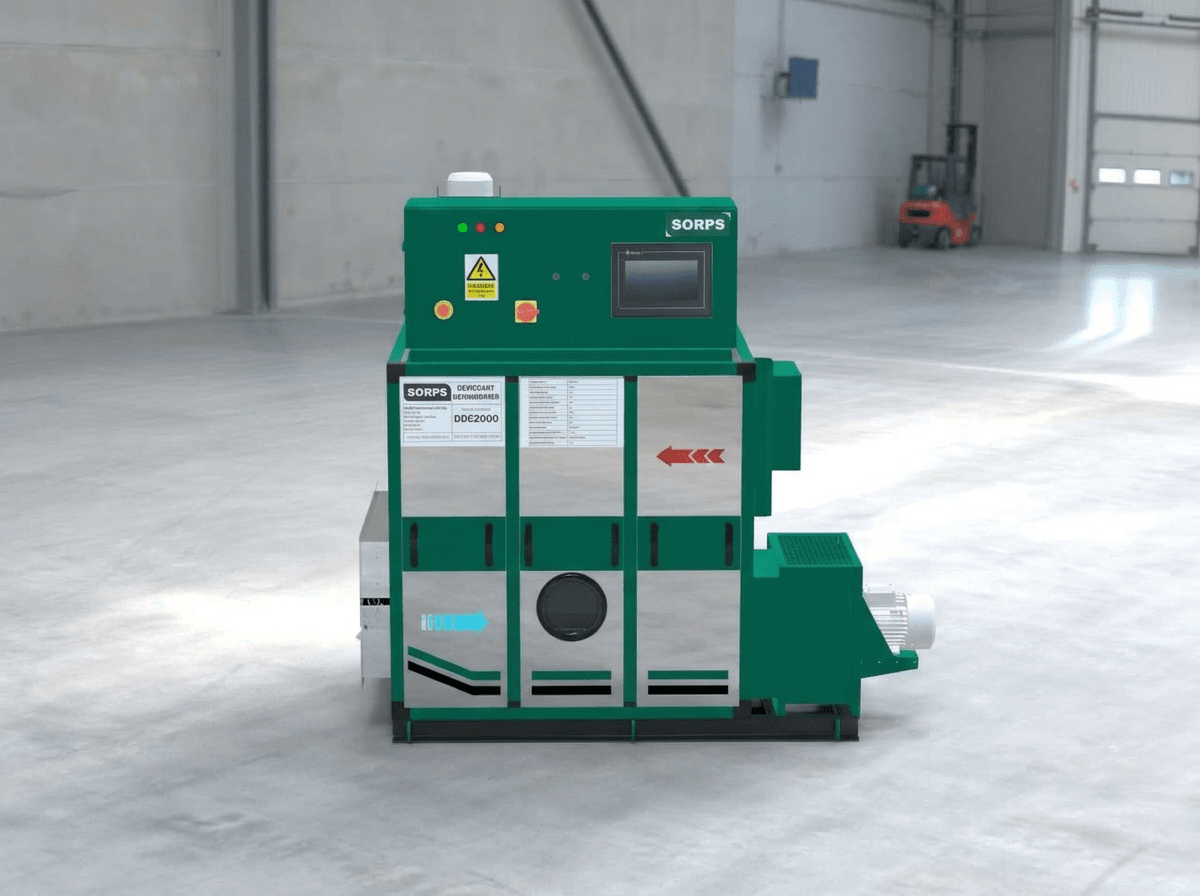
Desiccant Dehumidifier
Our desiccant dehumidifiers use advanced silica gel or molecular sieve technology to achieve ultra-low humidity levels. Ideal for pharmaceutical, food processing, and manufacturing environments where precise humidity control is essential.
View Technical Specifications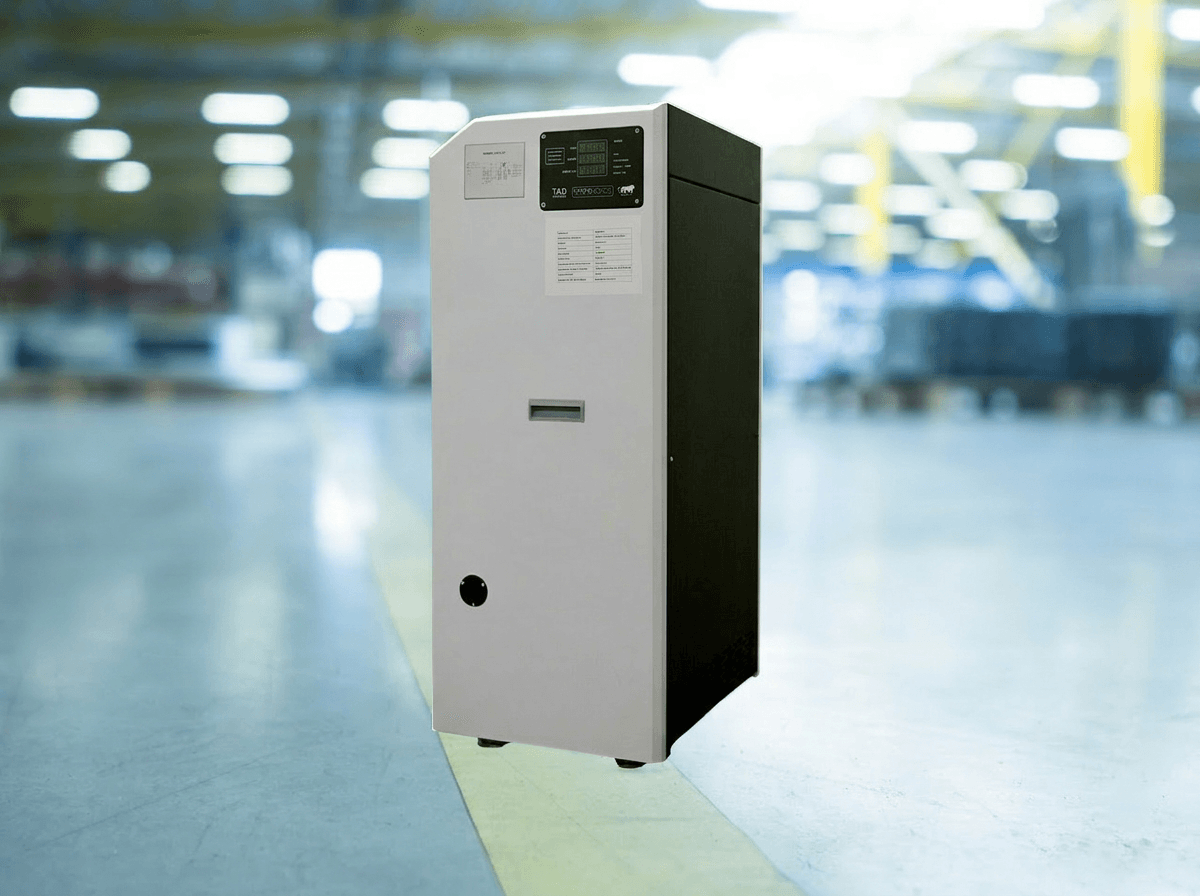
Refrigeration Dehumidifier
Refrigeration dehumidifiers provide economical moisture control by cooling air below its dew point. Perfect for warehouses, swimming pools, and general industrial applications where moderate humidity levels are sufficient.
View Technical Specifications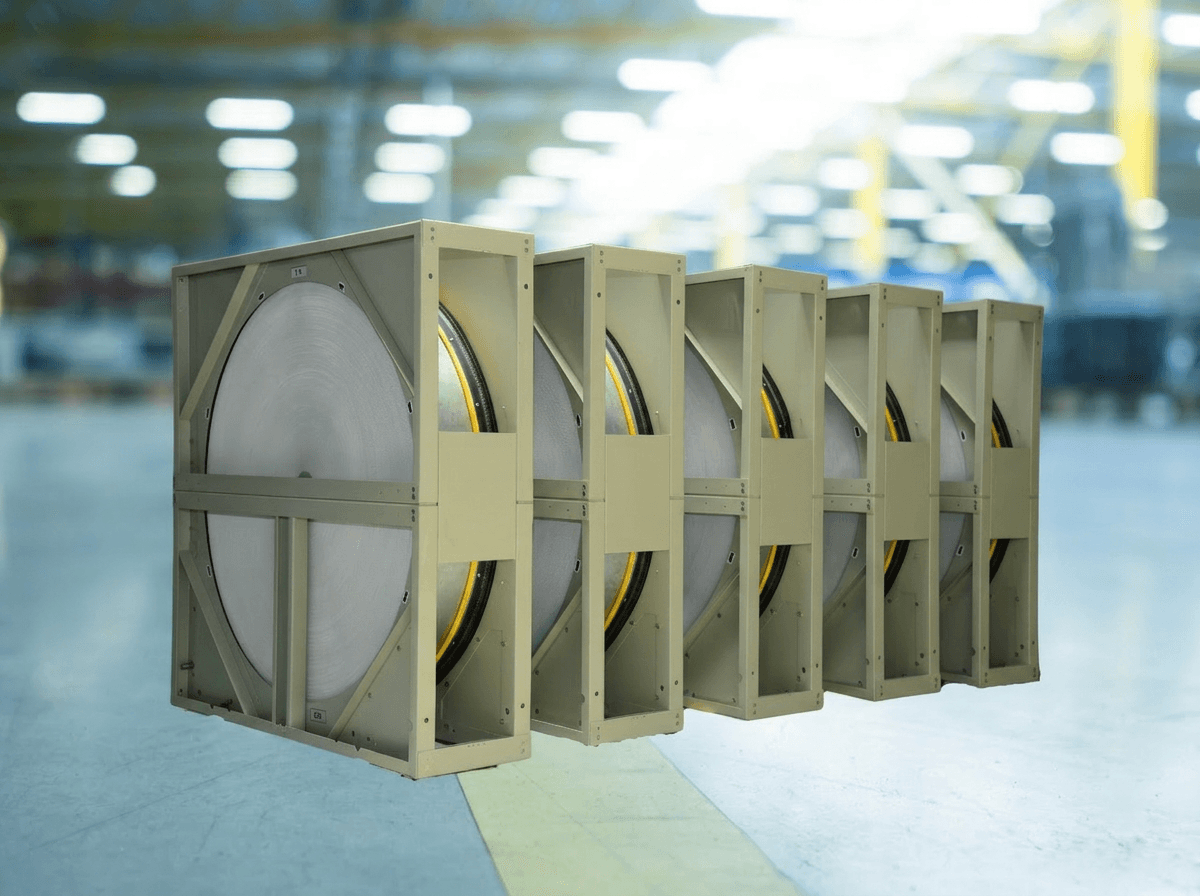
Heat Recovery Wheel
Air-to-air rotary heat exchangers recover heat energy from exhaust air in ventilation systems. Supply air is fed through one half of the continuously rotating rotor while exhaust air flows in counterflow through the other half, achieving energy savings of up to 90%. Available in sensible-only and enthalpy configurations.
View Technical Specifications