Desiccant Rotor
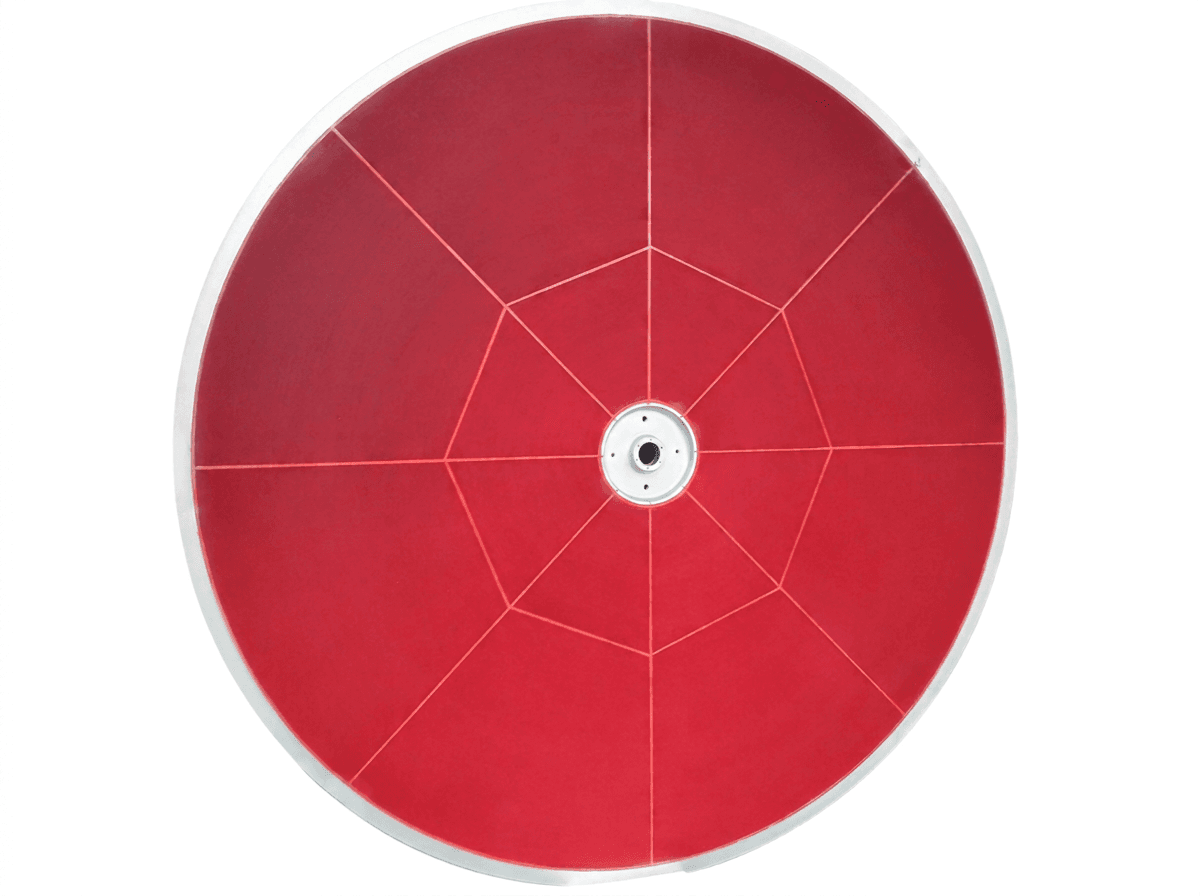
The desiccant rotor consists of a slowly rotating honeycomb structure made of moisture-absorbing material. Divided into process and regeneration sectors, the rotor adsorbs moisture from incoming air while being regenerated with heated air. Available in silica gel and molecular sieve variants for precise humidity control.
Key Features
- Corrugated fiberglass honeycomb with in-situ formed silica gel or molecular sieve desiccant
- Corrugation height 1.4–1.6mm, width 2.2–3.2mm, wall thickness 0.15–0.18mm
- Stainless steel spokes, outer band, and rigid centre hub
- High-temperature extruded contact seals — easily adjustable, leak-proof
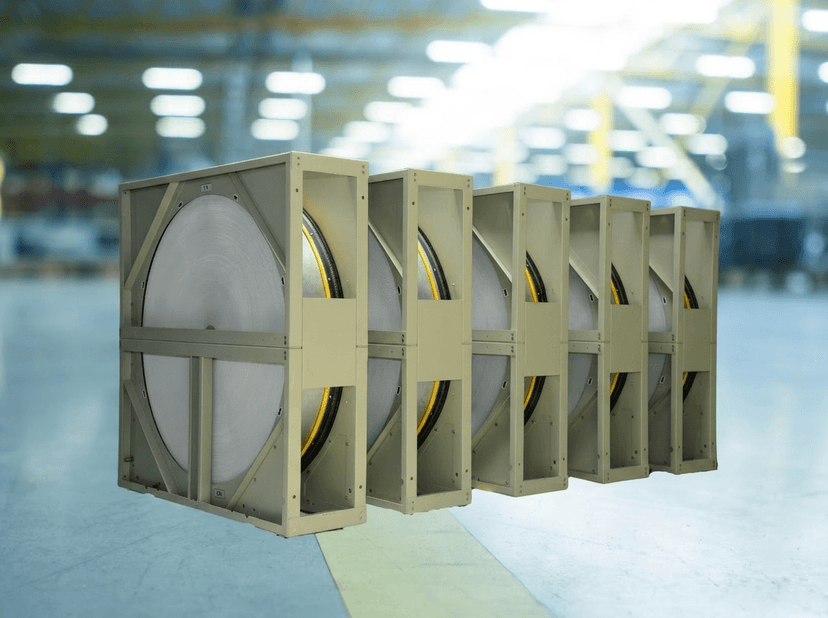
- Heavy-duty 14-gauge galvanized steel cassette
- Sealed, zero-maintenance roller or pillar block bearings
- AC drive motors with chain & sprocket or timer belt drive
- Post-fabrication wheel alignment capability
- Heat recovery integration for improved energy efficiency
Applications
HVAC systems & standalone dehumidifiers
Laboratories & data centres
Pharmaceutical manufacturing
Food processing plants
OEM equipment integration
Retrofit & replacement
Airflow vs Face Velocity (CFM)
Diameter (mm) | 2.0 m/s | 2.5 m/s | 3.0 m/s | 3.5 m/s | 4.0 m/s |
|---|---|---|---|---|---|
| 250 | 150 | 187 | 225 | 262 | 300 |
| 350 | 302 | 378 | 454 | 528 | 606 |
| 450 | 506 | 632 | 759 | 886 | 1014 |
| 550 | 762 | 951 | 1140 | 1332 | 1524 |
| 650 | 1062 | 1326 | 1593 | 1860 | 2124 |
| 770 | 1494 | 1870 | 2244 | 2616 | 2991 |
| 850 | 1824 | 2280 | 2736 | 3194 | 3650 |
| 965 | 2334 | 2916 | 3498 | 4082 | 4668 |
| 1050 | 2769 | 3461 | 4152 | 4846 | 5538 |
| 1200 | 3591 | 4488 | 5388 | 6282 | 7182 |
| 1370 | 4704 | 5880 | 7054 | 8229 | 9405 |
| 1525 | 5844 | 7306 | 8766 | 10228 | 11688 |
| 1700 | 7170 | 8960 | 10752 | 12546 | 14337 |
| 1900 | 9000 | 11250 | 13500 | 15750 | 18000 |
| 2100 | 11306 | 13794 | 16554 | 19314 | 22074 |
| 2400 | 14472 | 18090 | 21708 | 25326 | 28944 |
| 2800 | 19764 | 24708 | 29646 | 34590 | 39528 |
| 3000 | 20916 | 28395 | 34074 | 39753 | 45432 |
Size Matrix — Available Diameter × Depth
Diameter (mm) | 50mm | 100mm | 150mm | 200mm | 300mm | 400mm |
|---|---|---|---|---|---|---|
| 150 | ✓ | ✓ | ✓ | — | — | — |
| 250 | ✓ | ✓ | ✓ | — | — | — |
| 350 | ✓ | ✓ | ✓ | ✓ | — | — |
| 450 | — | ✓ | ✓ | ✓ | ✓ | ✓ |
| 550 | — | ✓ | ✓ | ✓ | ✓ | ✓ |
| 650 | — | ✓ | ✓ | ✓ | ✓ | ✓ |
| 770 | — | ✓ | ✓ | ✓ | ✓ | ✓ |
| 850 | — | ✓ | ✓ | ✓ | ✓ | ✓ |
| 965 | — | ✓ | ✓ | ✓ | ✓ | ✓ |
| 1050 | — | — | — | ✓ | ✓ | ✓ |
| 1220 | — | — | — | ✓ | ✓ | ✓ |
| 1370 | — | — | — | ✓ | ✓ | ✓ |
| 1525 | — | — | — | ✓ | ✓ | ✓ |
Frequently Asked Questions
A desiccant rotor is the core moisture-removal component inside a desiccant dehumidifier. The rotary dehumidifier wheel consists of a honeycomb structure coated with silica gel or molecular sieve desiccant. As air passes through, the desiccant adsorbs moisture — enabling ultra-low humidity control for industrial dehumidification, commercial dehumidification, and OEM equipment.
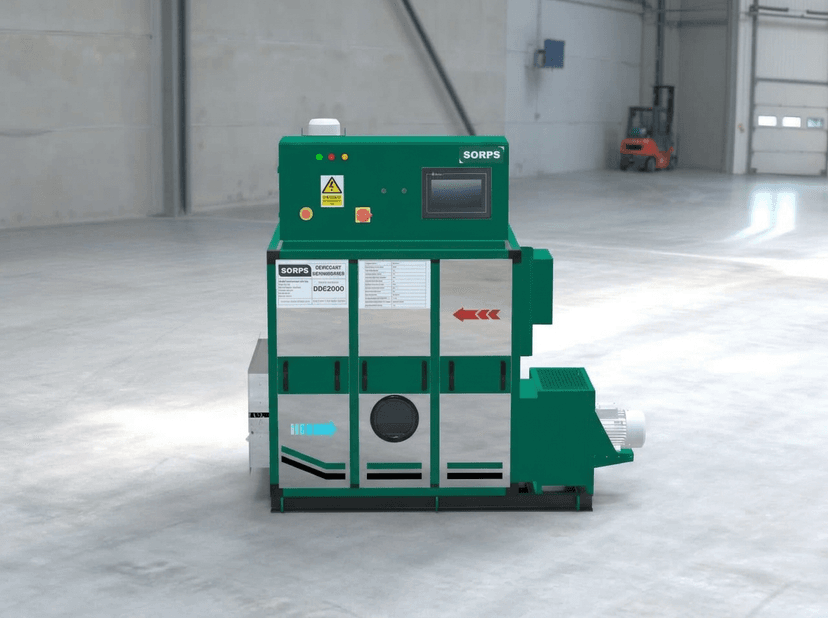
SORPS produces silica gel dehumidifier rotors for general humidity control and molecular sieve rotors for ultra-low dew point applications like lithium battery production. Available from 150 mm to 3,000 mm diameter, our rotors serve everything from a home desiccant dehumidifier to a 2000 CFM desiccant dehumidifier or larger.
Yes. You can buy a desiccant dehumidifier rotor for retrofit, replacement, or new OEM dehumidifier equipment. Our rotors are designed for drop-in compatibility with most commercial industrial dehumidifier brands, and we offer custom sizing to match your existing cassette dimensions.
A silica gel dehumidifier rotor regenerates at lower temperatures (around 120 °C) and is ideal for general commercial dehumidification and warehouse dehumidification. A molecular sieve rotor achieves lower outlet dew points but requires higher regeneration temperatures — the best choice for desiccant dehumidifier for freezer applications, cold storage, and pharmaceutical environments.
For a rotary dehumidifier rotor, the recommended face velocity is 2.0–4.0 m/s depending on the application. Higher velocities increase airflow capacity but reduce contact time. Our airflow vs face velocity tables help engineers select the right rotor for their industrial dehumidifier or commercial dehumidifier design.
Yes. Silica gel coated rotors can function as enthalpy wheels for heat recovery, transferring both heat and moisture between air streams. This dual functionality supports energy-efficient dehumidification and cooling in HVAC systems, data centres, and clean rooms.
SORPS rotors feature sealed, zero-maintenance bearings and water-washable media. Regular inspection via built-in hatches, occasional cleaning, and seal adjustment keep the rotor performing at peak efficiency. Our rotors are designed for simplified maintenance — reducing downtime for your industrial dehumidifier or automatic dehumidifier system.
Request a Quote
Fill out the form below and our team will get back to you within 24 hours.
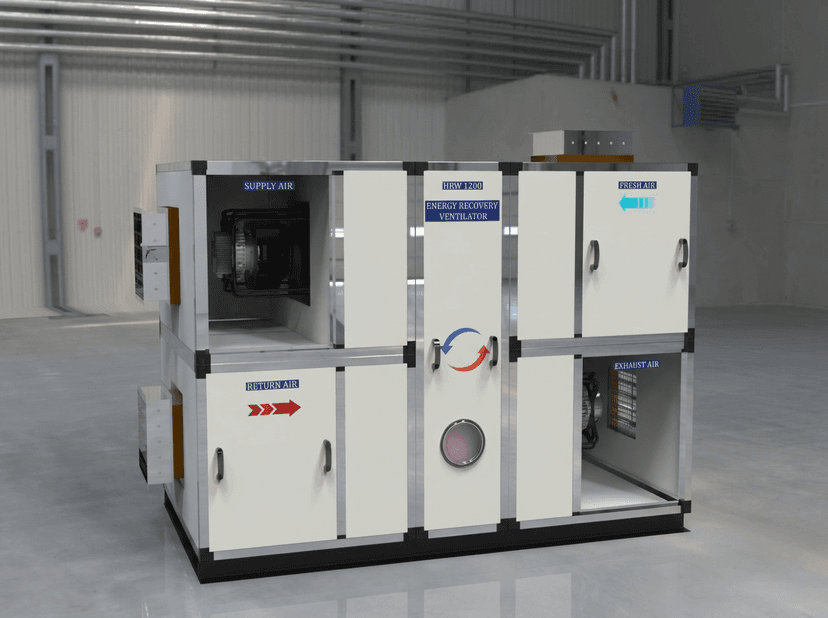
Target Applications & Solutions


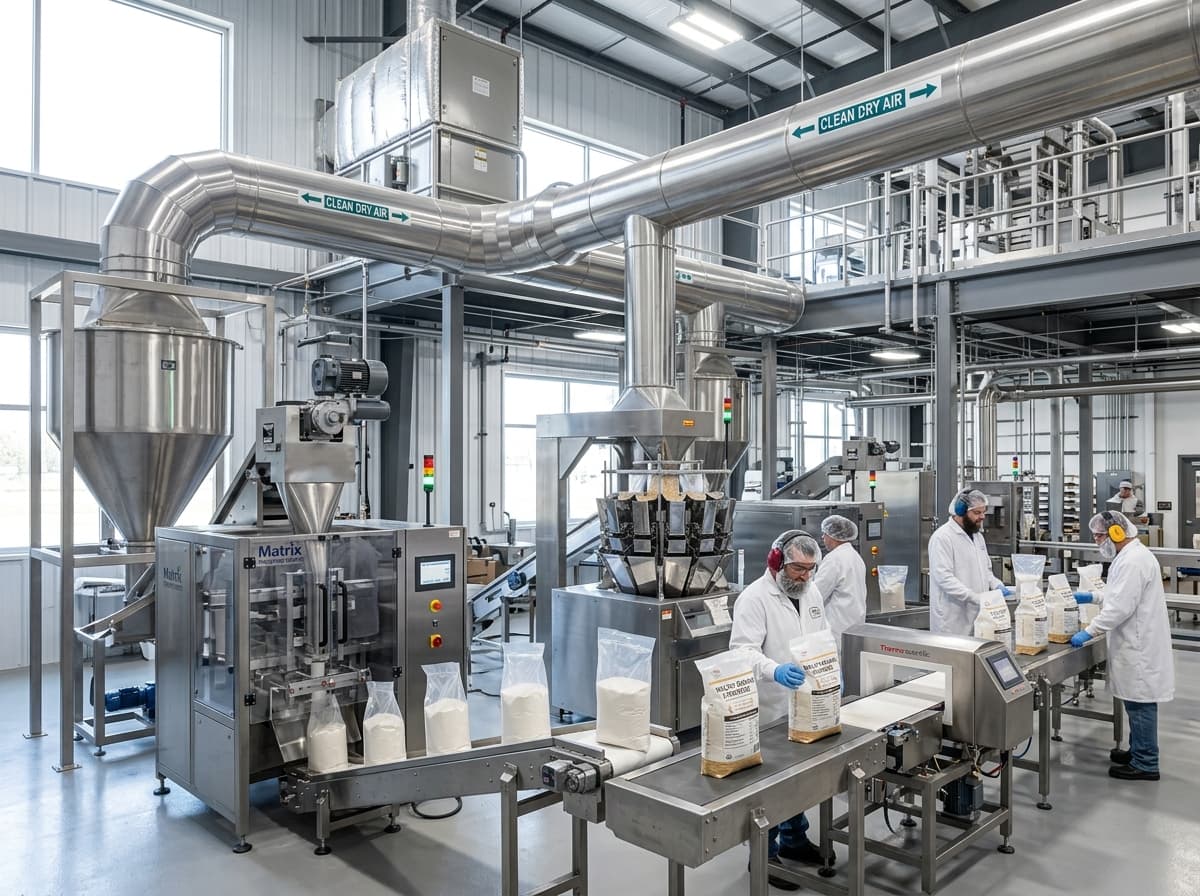

Free Technical Resource
Industrial Dehumidifier Sizing & Engineering Guide
Learn how to calculate moisture loads, airflow requirements, and dew point targets for cleanrooms, dry rooms, and industrial storage. Written by our senior HVAC application engineers.
- Step-by-step moisture load equation checklists
- Psychrometric charts for low-humidity dry rooms
- Airflow infiltration estimation charts (ASHRAE standards)