The Automotive Industry's Hidden Humidity Challenge
From paint adhesion failures to battery cell degradation, humidity is one of the most overlooked yet impactful variables in automotive manufacturing. A single percentage point variation in relative humidity can mean the difference between a Class A paint finish and a rework batch.
In India's monsoon-heavy climate, ambient humidity routinely exceeds 80% RH for 4–6 months a year. Without precision dehumidification, automotive plants face paint defects, body-in-white storage corrosion, EV cell assembly failures, and adhesive bonding issues.
Critical Humidity Ranges in Automotive Manufacturing
| Process Area | Target RH | Temperature |
|---|---|---|
| Paint Booth (Top Coat) | 65–70% RH | 22–25°C |
| Paint Booth (Base Coat) | 55–65% RH | 22–25°C |
| E-Coat / Pretreatment | 60–70% RH | 25–28°C |
| Body-in-White Storage | 40–55% RH | Ambient |
| EV Battery Assembly | <1% RH (dry room) | 20–22°C |
| Final Assembly Line | 45–55% RH | 22–26°C |
| Vehicle Storage (long-term) | 40–55% RH | Ambient |
Where Desiccant Dehumidification Delivers Maximum ROI
1. Automotive Paint Shops
Paint quality depends critically on solvent flash-off rates, which are governed by humidity. SORPS dehumidifiers maintain stable RH in paint booths, spray booths, and drying ovens — eliminating climate-driven defects.
2. EV Battery Manufacturing
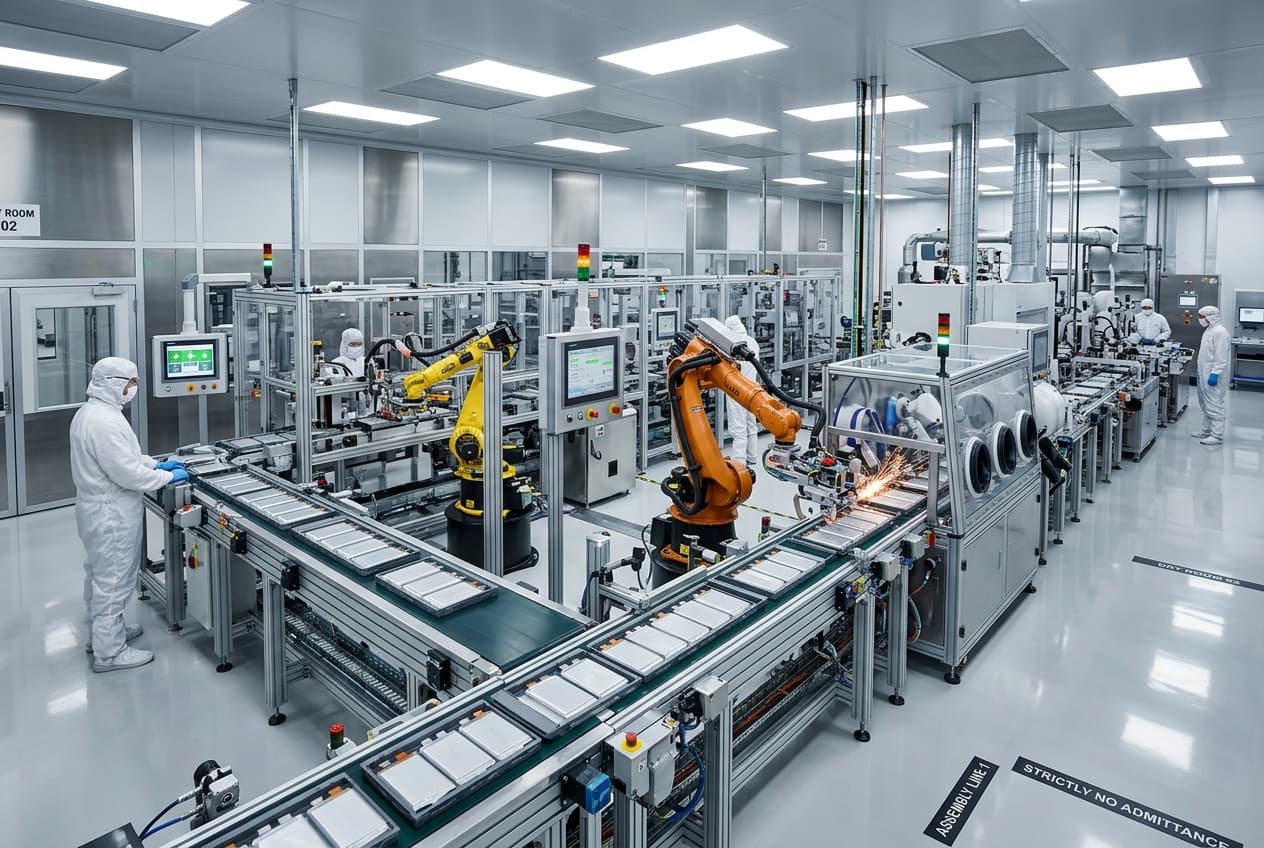
Lithium-ion cell assembly requires ultra-low dew point (–40°C to –70°C) for electrolyte filling, electrode coating, and cell stacking. Even trace moisture causes cell expansion and safety hazards. Refer to our dedicated Lithium Batteries page for details.
3. Electrostatic Coating & Panel Storage
Electrostatic lines require 50–65% RH to prevent charge dissipation. Additionally, body panels stored in humid warehouses develop flash rust within hours without dry air preservation (40–50% RH target).
Why SORPS for Automotive Manufacturers
Frequently Asked Questions
What is the ideal humidity level for an automotive paint booth?
For solvent-borne base coats: 55–65% RH. For top coats and clear coats: 60–70% RH. Water-borne paints require tighter control, typically 50–60% RH. Temperature should be maintained at 22–25°C.
Can SORPS dehumidifiers be integrated with our existing paint booth AHU?
Yes. We design retrofit modules that connect to existing supply air systems. Most installations require only ductwork modifications and electrical connections — no full HVAC replacement.
How do you handle the ultra-low humidity requirements of EV battery dry rooms?
We use specialized low-dew-point rotors (molecular sieve) that achieve –40°C dew point (<1% RH). For very low dew point (–70°C), we use double-stage cascade dehumidification with pre-cooled regeneration air.
What is the typical payback period?
For paint shops avoiding climate-related rejections, payback is typically 8–14 months. For EV battery dry rooms, the system is mandatory — there's no alternative.
Do you support 24x7 production environments?
All SORPS DD-series units are designed for continuous duty. Standard warranty covers 12 months. We offer AMC contracts with quarterly preventive maintenance.
Related Industries

Related Dehumidifier Systems
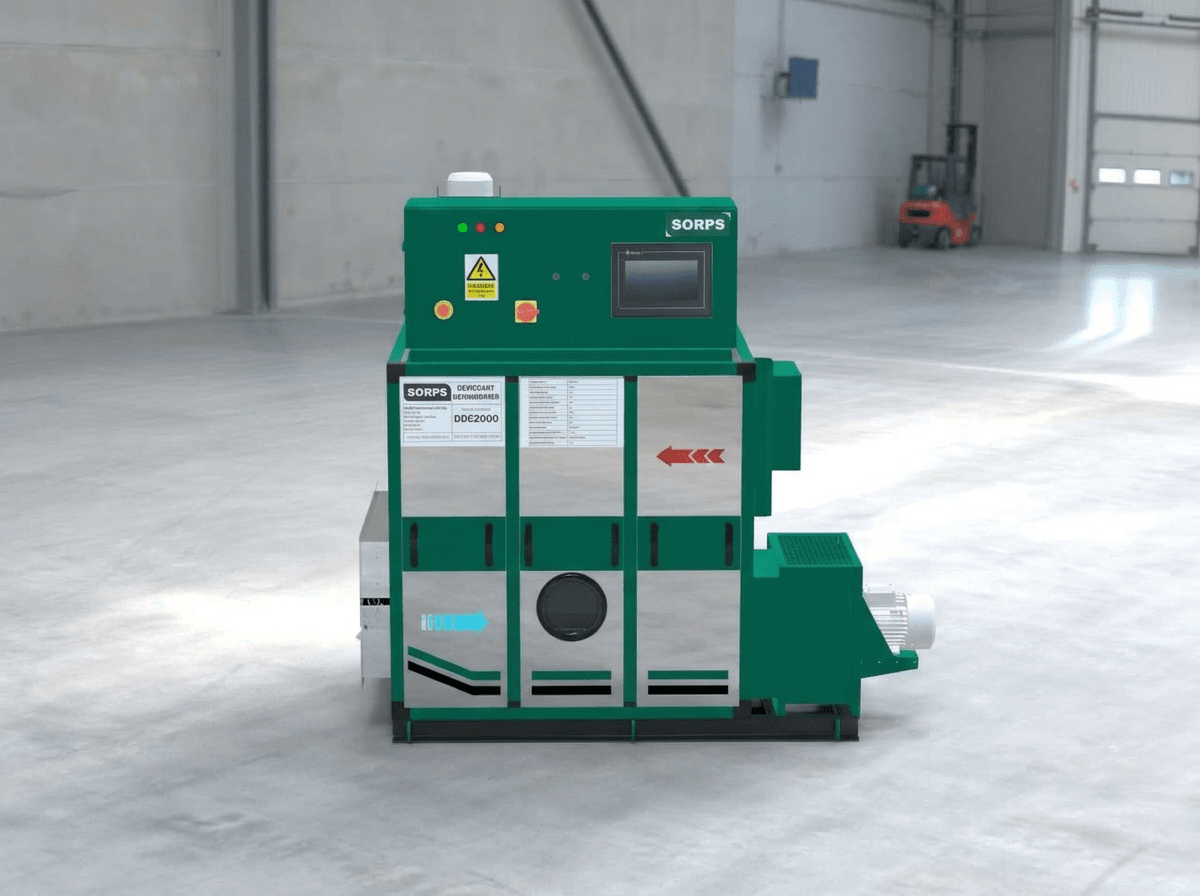
Desiccant Dehumidifier
Our desiccant dehumidifiers use advanced silica gel or molecular sieve technology to achieve ultra-low humidity levels. Ideal for pharmaceutical, food processing, and manufacturing environments where precise humidity control is essential.
View Technical Specifications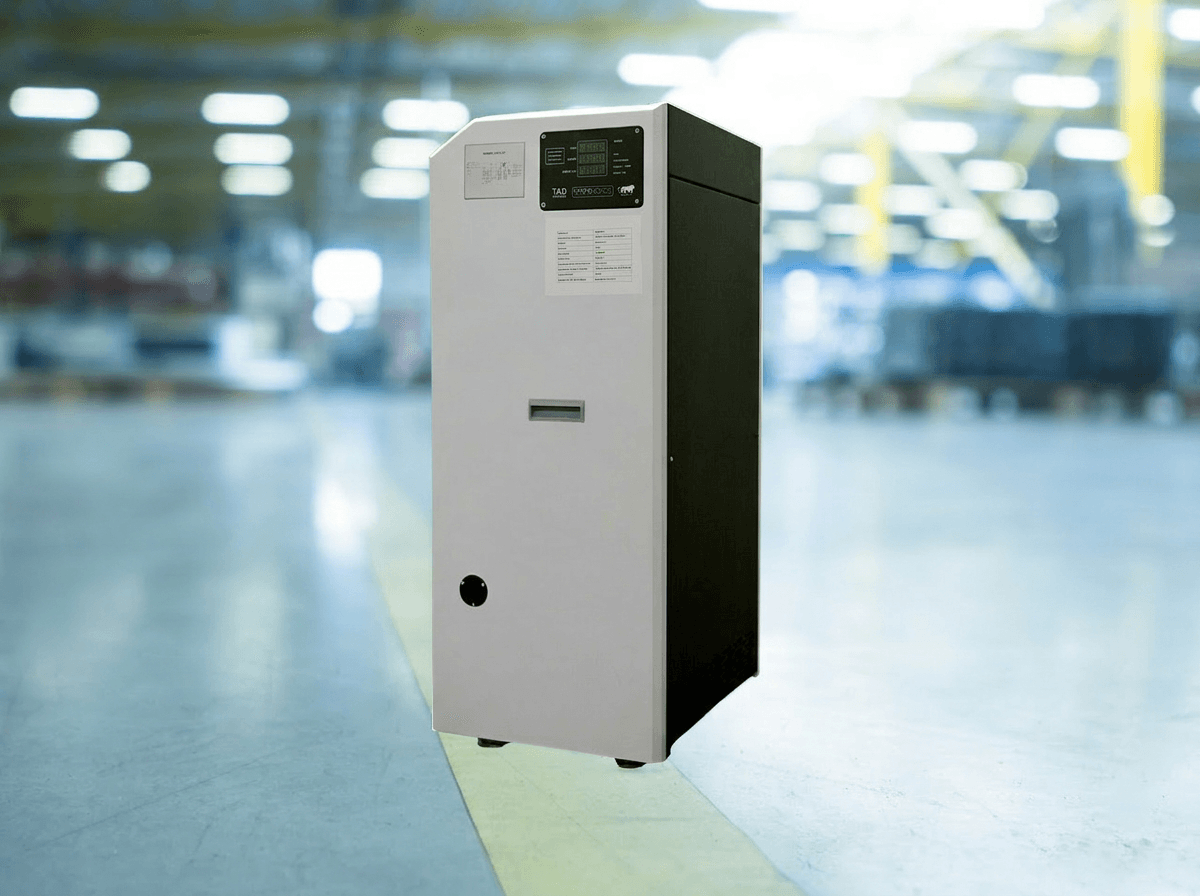
Refrigeration Dehumidifier
Refrigeration dehumidifiers provide economical moisture control by cooling air below its dew point. Perfect for warehouses, swimming pools, and general industrial applications where moderate humidity levels are sufficient.
View Technical Specifications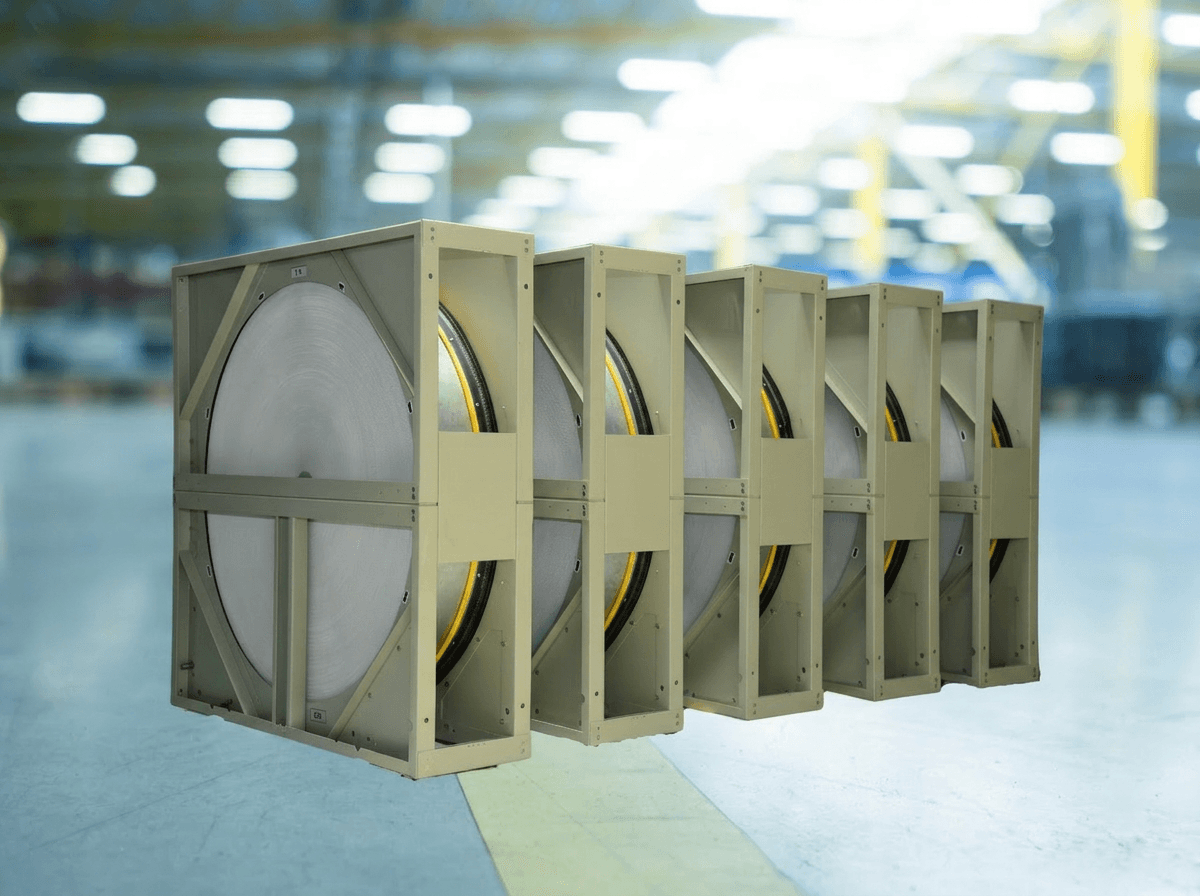
Heat Recovery Wheel
Air-to-air rotary heat exchangers recover heat energy from exhaust air in ventilation systems. Supply air is fed through one half of the continuously rotating rotor while exhaust air flows in counterflow through the other half, achieving energy savings of up to 90%. Available in sensible-only and enthalpy configurations.
View Technical Specifications