The Challenge of Frost in Sub-Zero Facilities
In cold storage warehouses and food processing plants, high humidity is a primary driver of operational inefficiencies. Whenever dock doors are opened, warm air rushes into the cold space. This moisture immediately deposits as frost on evaporator coils, walls, and floors. Frost on coils reduces heat transfer, requiring frequent defrost cycles, while ice on floors poses severe slip hazards for forklift operators and personnel.
SORPS desiccant dehumidifiers operate efficiently even in sub-zero environments. By removing water vapor directly from the air, they prevent frost formation, protect food hygiene, and lower energy usage.
Technical Performance Data (SD-Series)
Our SD-Series desiccant dehumidifiers are optimized for sub-zero conditions:
| Model Range | Airflow (m³/h) | Capacity (kg/h)* | Min. Operating Temp |
|---|---|---|---|
| SD-500 Compact | 400 - 650 | 2.2 - 3.1 | -15°C |
| SD-1200 Standard | 900 - 1,400 | 5.5 - 8.2 | -25°C |
| SD-3000 Industrial | 2,500 - 3,500 | 12.0 - 18.5 | -30°C |
| SD-8000 Heavy Duty | 6,000 - 9,500 | 42.0 - 65.0 | -35°C |
*Capacity measured at 20°C / 60% RH. Custom high-capacity setups are available for larger facilities.
Sorptech Solutions for Cold Chains
Frost & Ice Prevention
Keeps evaporators frost-free to reduce defrost cycle frequencies. Eliminates ice slip hazards on floor surfaces.
Hygiene & Mold Control
Maintains clean surfaces by preventing condensation, stopping mold and bacterial growth in meat, dairy, and confectionery processing.
Packaging Preservation
Prevents cardboard box collapse and labeling adhesive failures due to humidity absorption in chilled warehouses.
Compliance & Performance Standards
HACCP & FDA Compliant Design
Food-grade double-walled casings with corrosion-resistant structural materials, preventing any metal flaking or biological build-up.
Sub-Zero Heat Performance
Silica gel rotors optimized to extract moisture efficiently even at sub-zero dry bulb temperatures, maintaining dew points below room temperatures.
Energy Recovery Ventilators (ERV)
Recovers sensible heat to preheat incoming fresh reactivation air, yielding up to 30% reduction in heating costs.
Frequently Asked Questions
Why does ice form in cold storage, and how does desiccant control it?
When loading dock doors open, warm, humid air infiltrates the sub-zero freezer. The moisture condenses on cold surfaces and immediately freezes into ice. Desiccant dehumidifiers dry the infiltration air at the door vestibule before it enters the cooling zones, stopping frost at the source.
What is the energy saving of reducing freezer defrost cycles?
Reducing defrost frequency by 70–80% means less compressor run-time, fewer thermal heating cycles to melt ice, and stable temperature profiles, leading to 20–30% lower electrical utility bills and extended compressor service life.
Are the units compatible with food-grade sanitation washes?
Yes. We offer our SD-Series with double-walled stainless steel AISI 304 casings, washdown-rated access doors, and FDA-approved food-grade silicone gaskets to support cleanroom sanitation cycles.
What happens to cardboard packaging boxes when humidity is high?
Cardboard is highly hygroscopic. In high humidity (above 70% RH), cardboard loses up to 50% of its compression strength, leading to box sagging, structural collapse, and barcode or labeling adhesion failures. SORPS keeps packaging areas dry to preserve box strength.
Related Industries
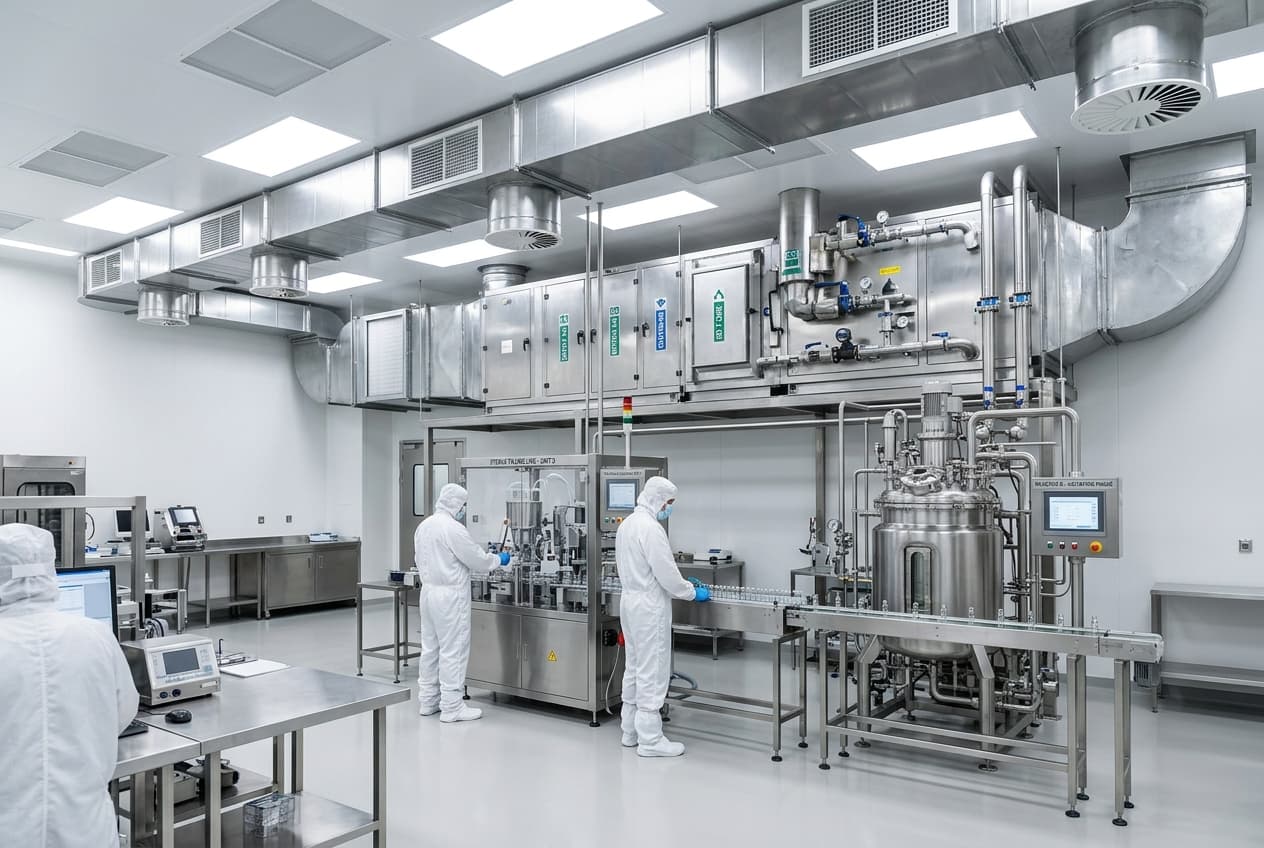
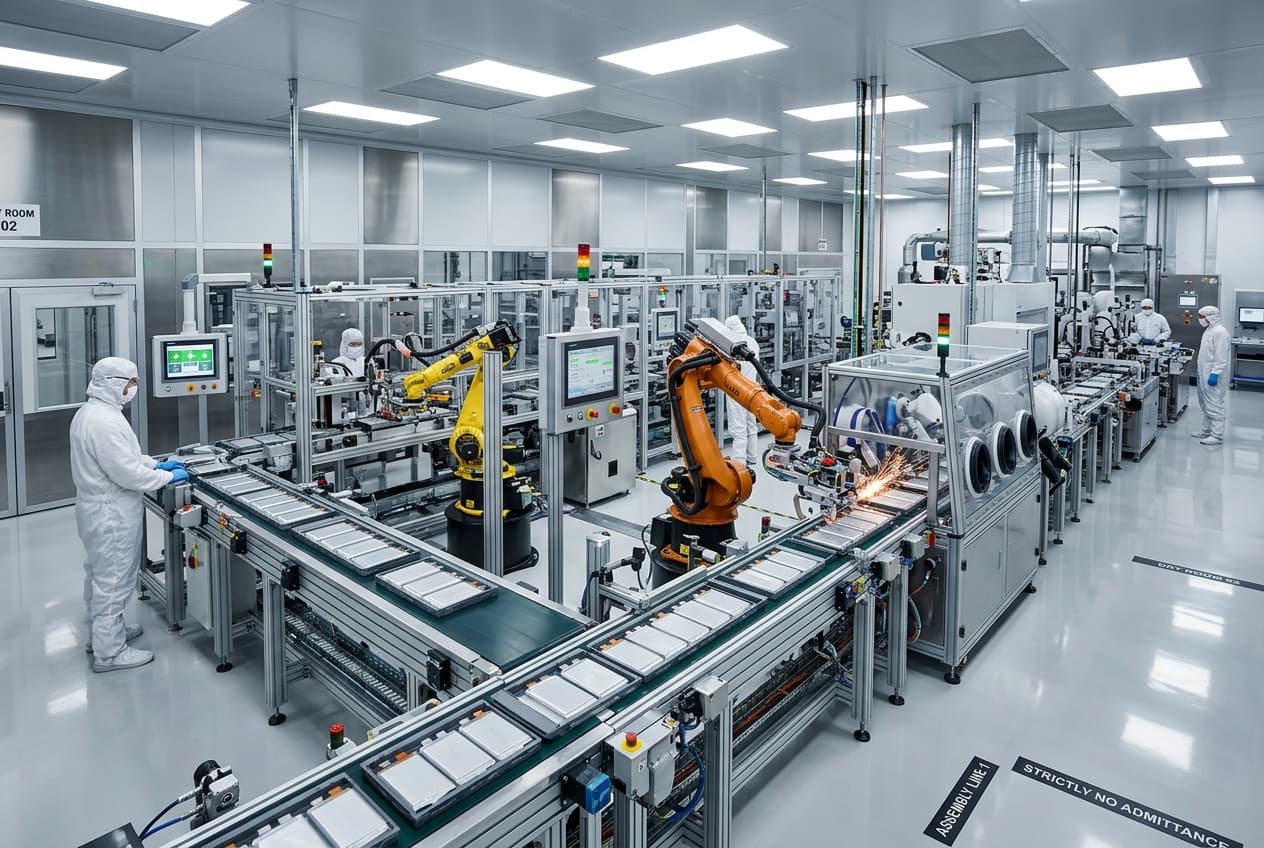
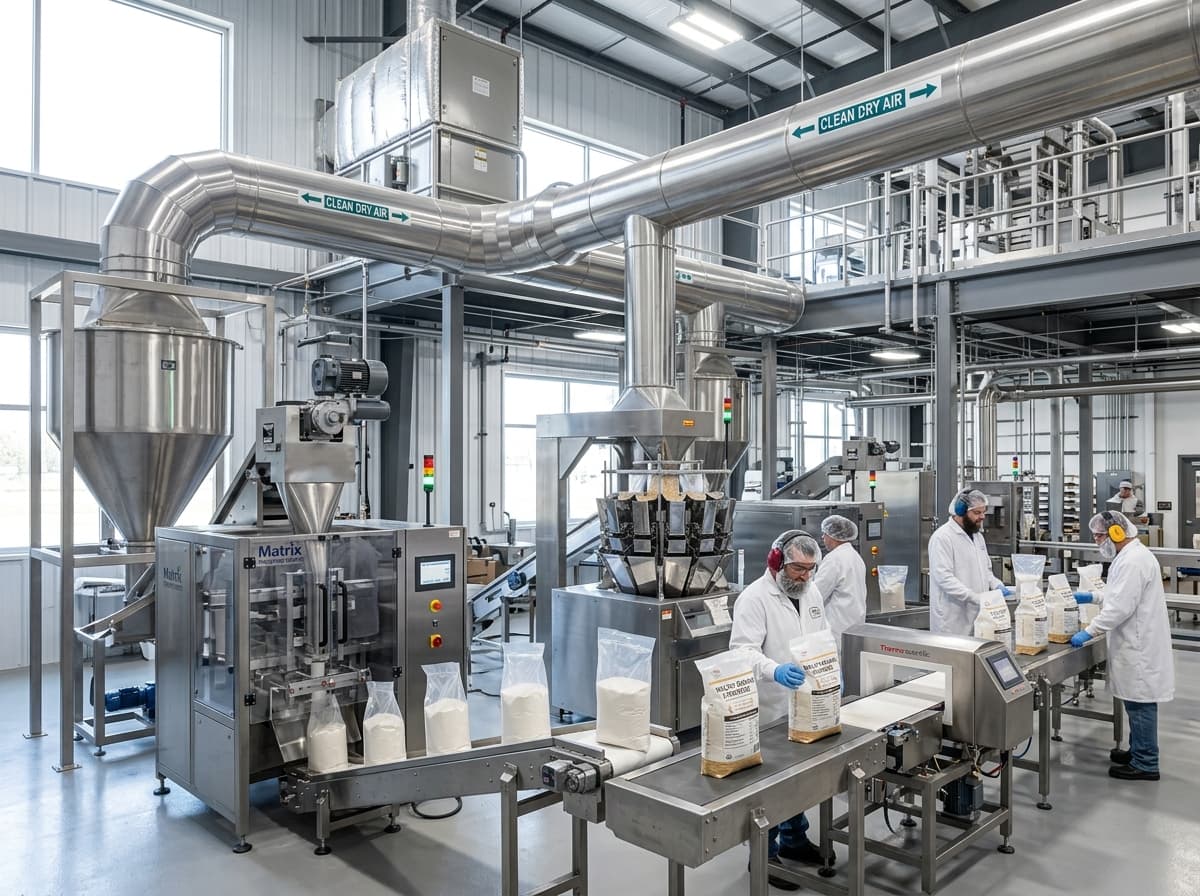

Related Dehumidifier Systems
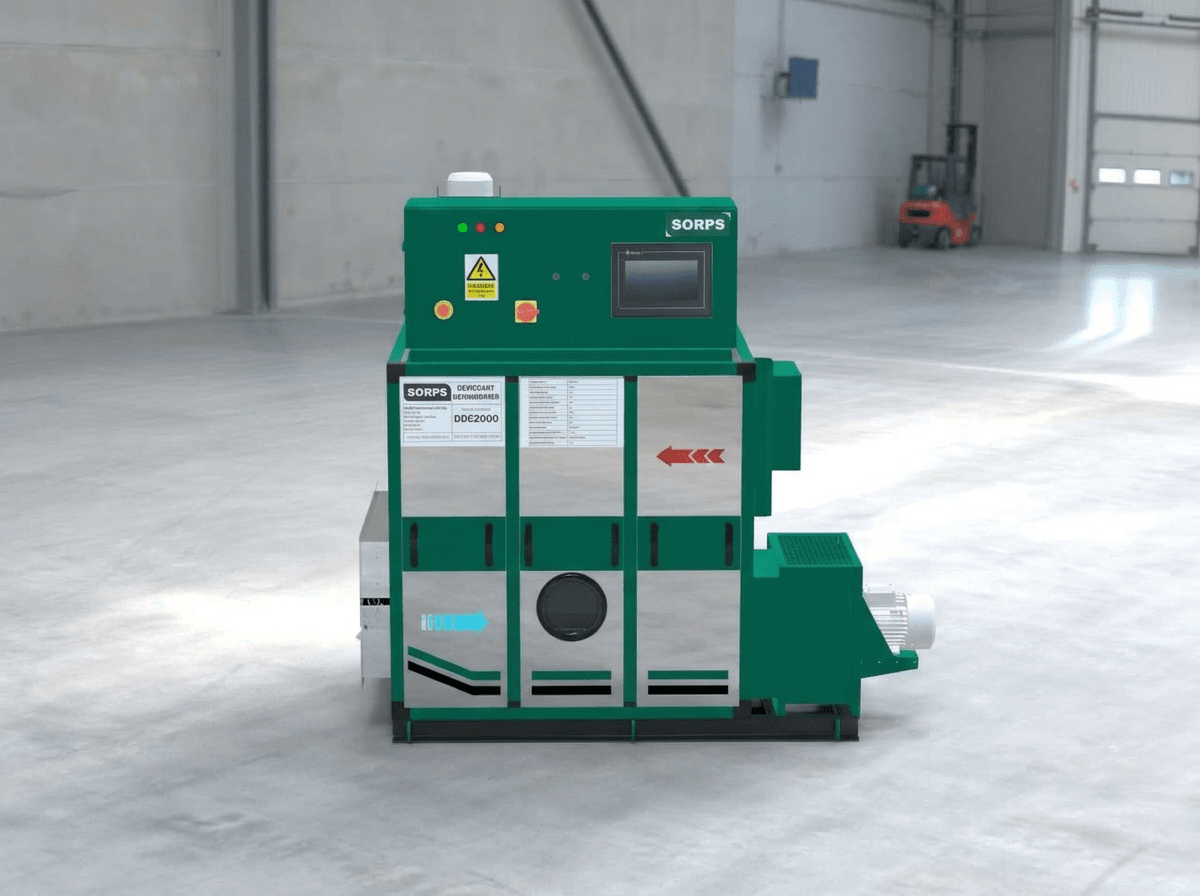
Desiccant Dehumidifier
Our desiccant dehumidifiers use advanced silica gel or molecular sieve technology to achieve ultra-low humidity levels. Ideal for pharmaceutical, food processing, and manufacturing environments where precise humidity control is essential.
View Technical Specifications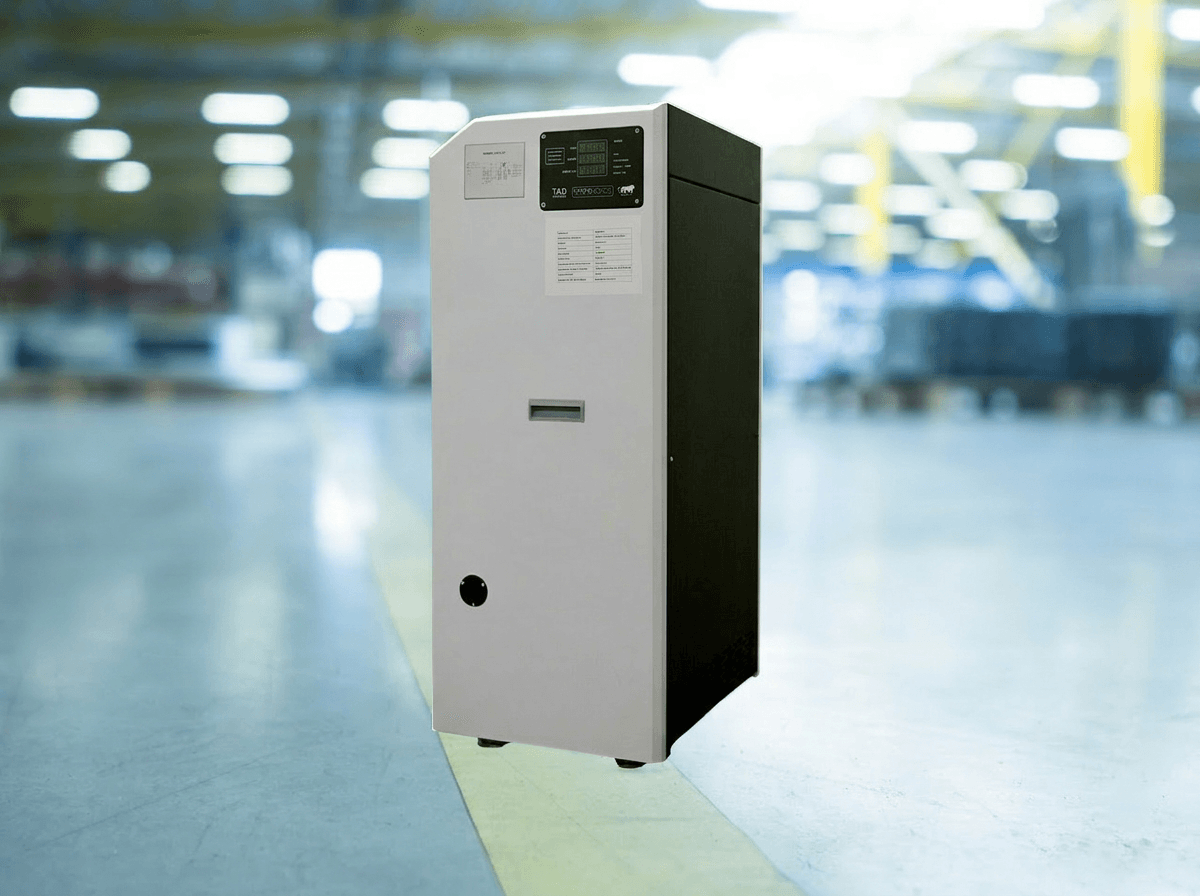
Refrigeration Dehumidifier
Refrigeration dehumidifiers provide economical moisture control by cooling air below its dew point. Perfect for warehouses, swimming pools, and general industrial applications where moderate humidity levels are sufficient.
View Technical Specifications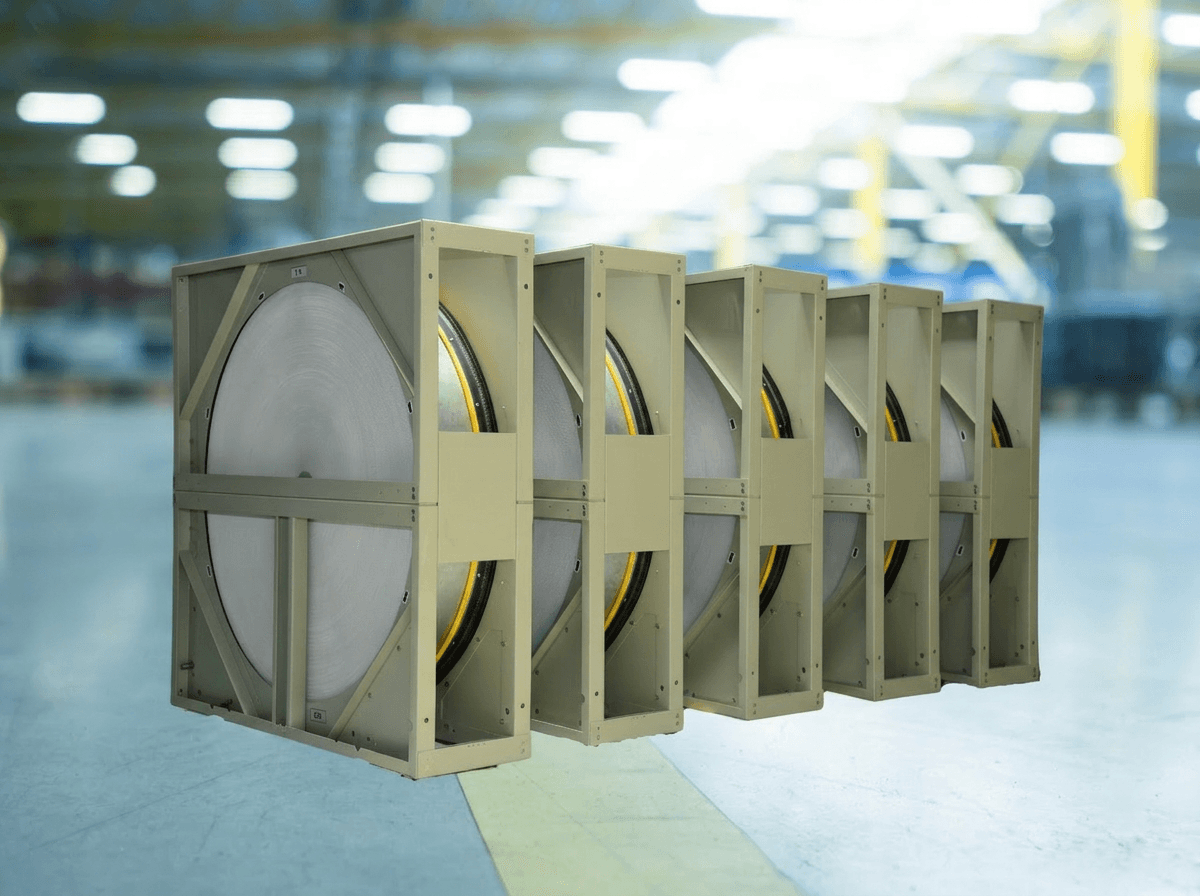
Heat Recovery Wheel
Air-to-air rotary heat exchangers recover heat energy from exhaust air in ventilation systems. Supply air is fed through one half of the continuously rotating rotor while exhaust air flows in counterflow through the other half, achieving energy savings of up to 90%. Available in sensible-only and enthalpy configurations.
View Technical Specifications