Precision Honeycomb Rotor Manufacturing
Our desiccant rotors utilize an active silica gel or molecular sieve media chemically bonded to a corrugated fiberglass matrix. This honeycomb structure maximizes contact surface area while minimizing airflow resistance, ensuring optimal moisture adsorption.
We manufacture honeycombed rotors with standard corrugation heights of 1.8mm to 2.5mm, ensuring an optimal balance between pressure drop and moisture contact area. The structural matrix consists of alternate flat and corrugated sheets of inorganic fiberglass paper containing active desiccant media. This achieves a high density of active silica gel (above 82%) to maximize dynamic moisture adsorption capacity and prevent media migration.
Reactivation & Cassette Structures
Our rotor cassettes feature robust galvanized steel or AISI 304 stainless steel frames with integrated double-walled PUF-insulated panels to prevent thermal bridging. Perimeter seals made of high-temperature silicone rubber prevent process and reactivation air bypass. Each cassette is equipped with heavy-duty gear motors, a chain or synchronous belt-drive mechanism, and auto-tensioning spring-loaded brackets to ensure smooth, continuous rotation at optimal speeds (typically 8 to 24 RPH).
Frequently Asked Questions
What types of desiccant rotors do you manufacture?
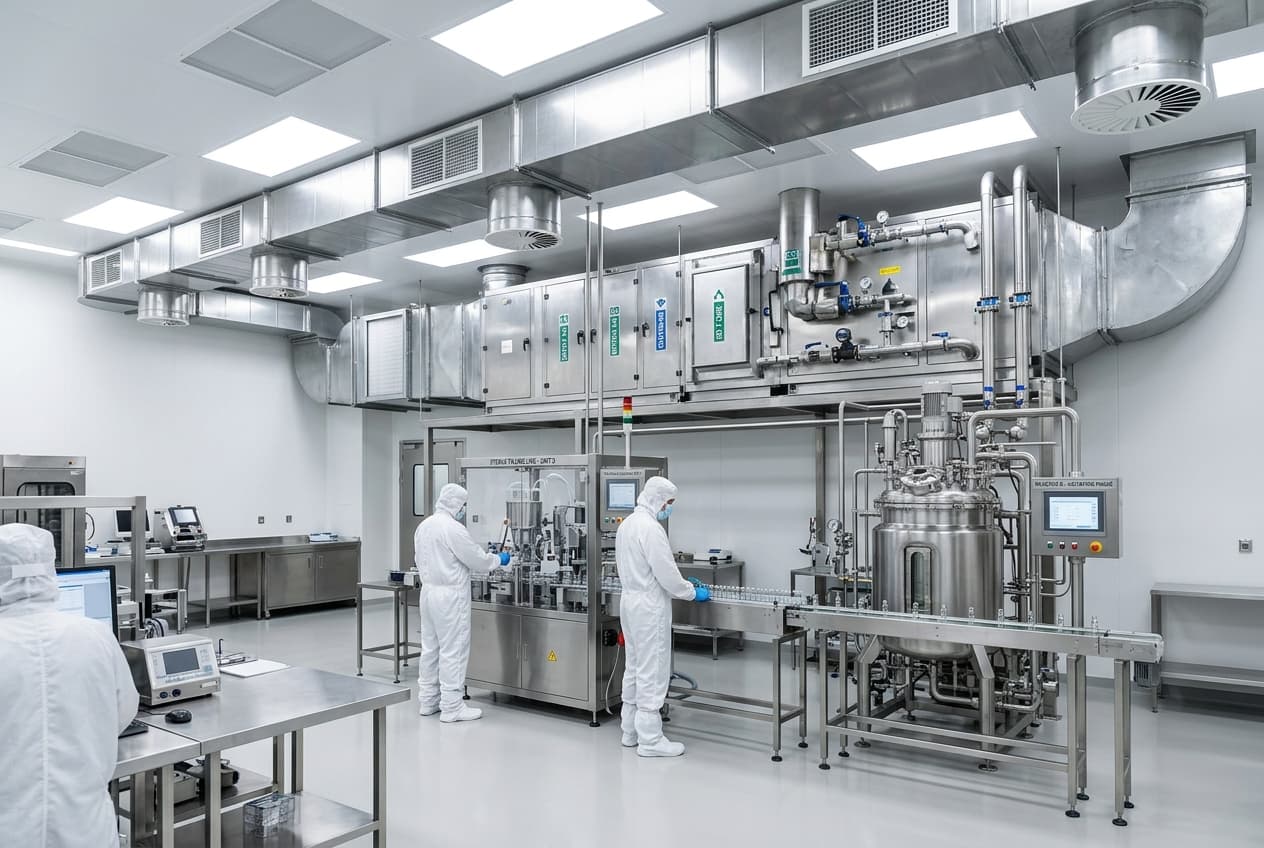
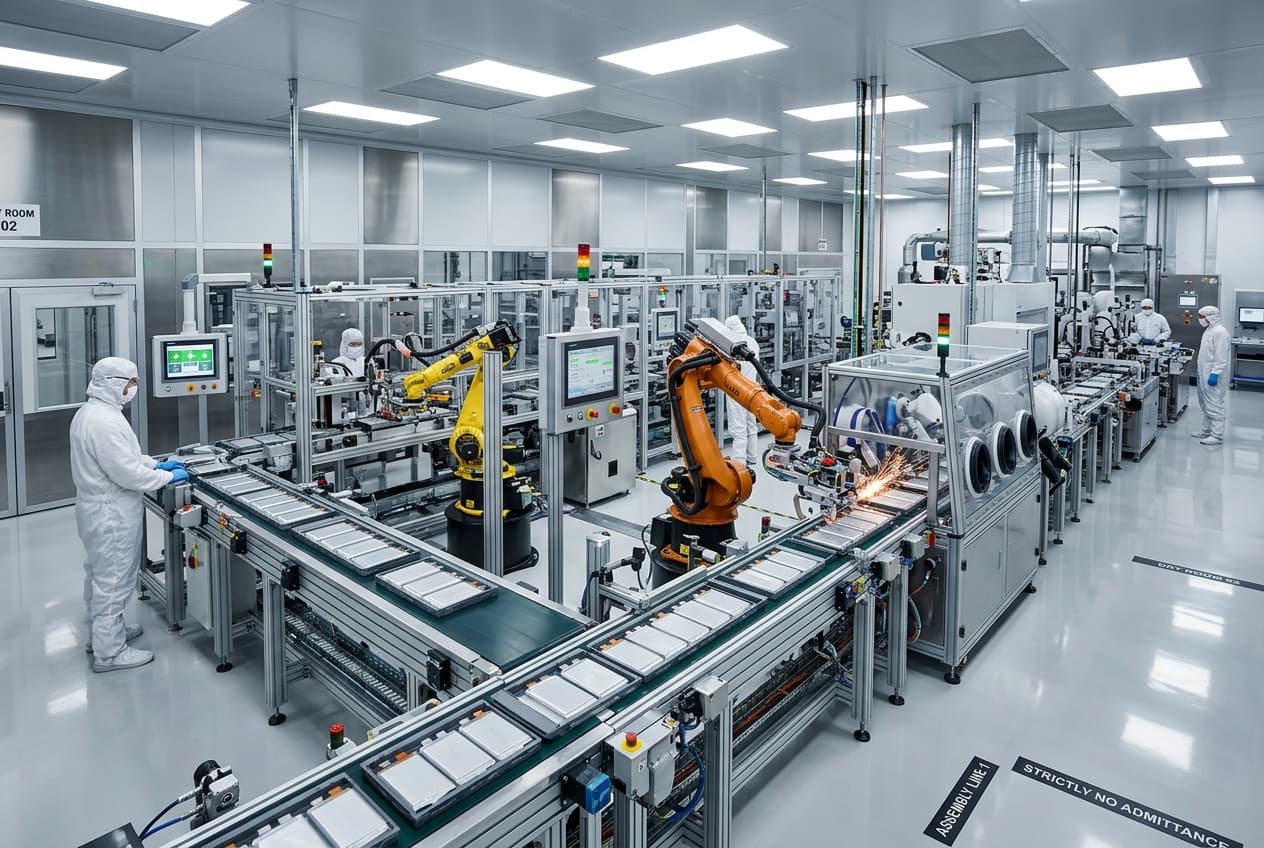
We manufacture high-performance silica gel rotors for general commercial and pharmaceutical dehumidification, as well as molecular sieve rotors designed for ultra-low dew point lithium battery dry rooms.
Do you supply replacement desiccant wheels for other brands?
Yes. We manufacture custom-dimension replacement rotors and cassette assemblies that can retrofitted into existing third-party air handling units (AHUs) and industrial dehumidifiers.
Related Industries

Related Dehumidifier Systems
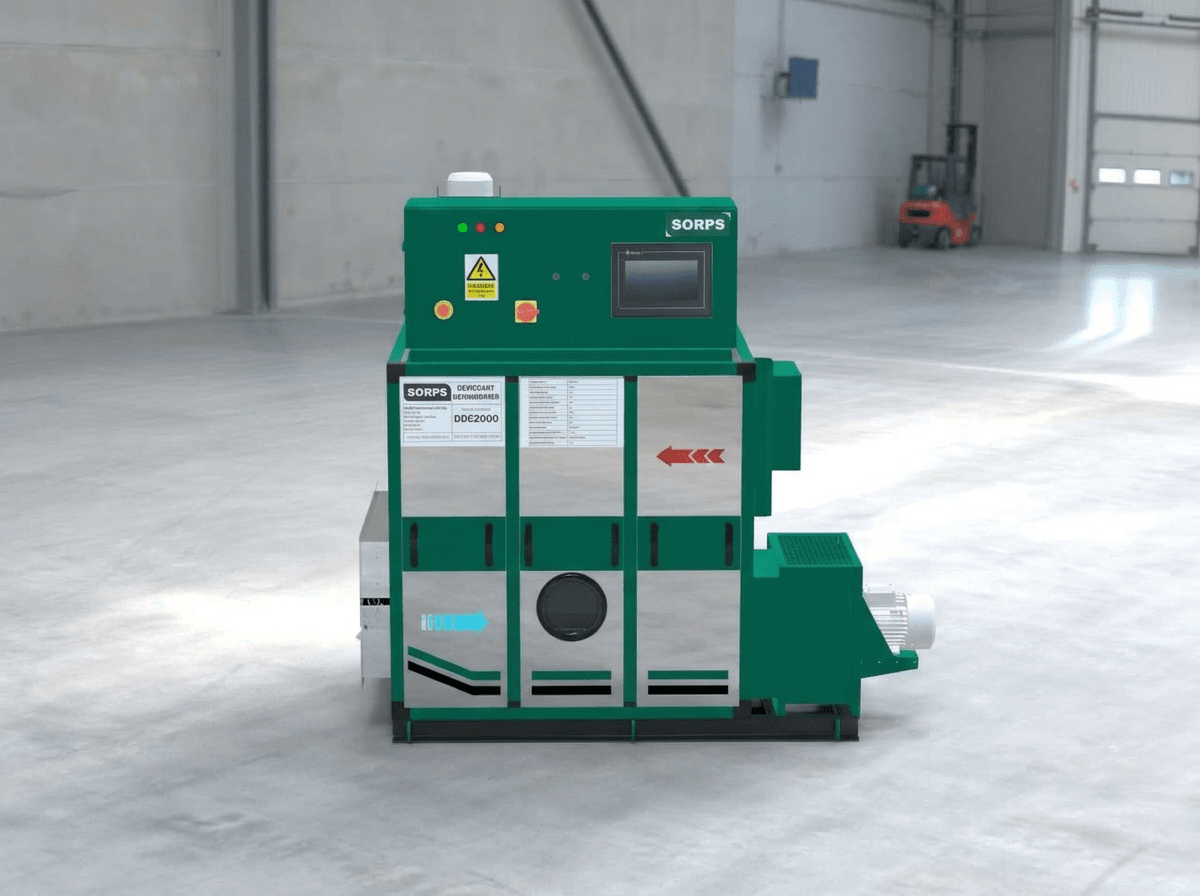
Desiccant Dehumidifier
Our desiccant dehumidifiers use advanced silica gel or molecular sieve technology to achieve ultra-low humidity levels. Ideal for pharmaceutical, food processing, and manufacturing environments where precise humidity control is essential.
View Technical Specifications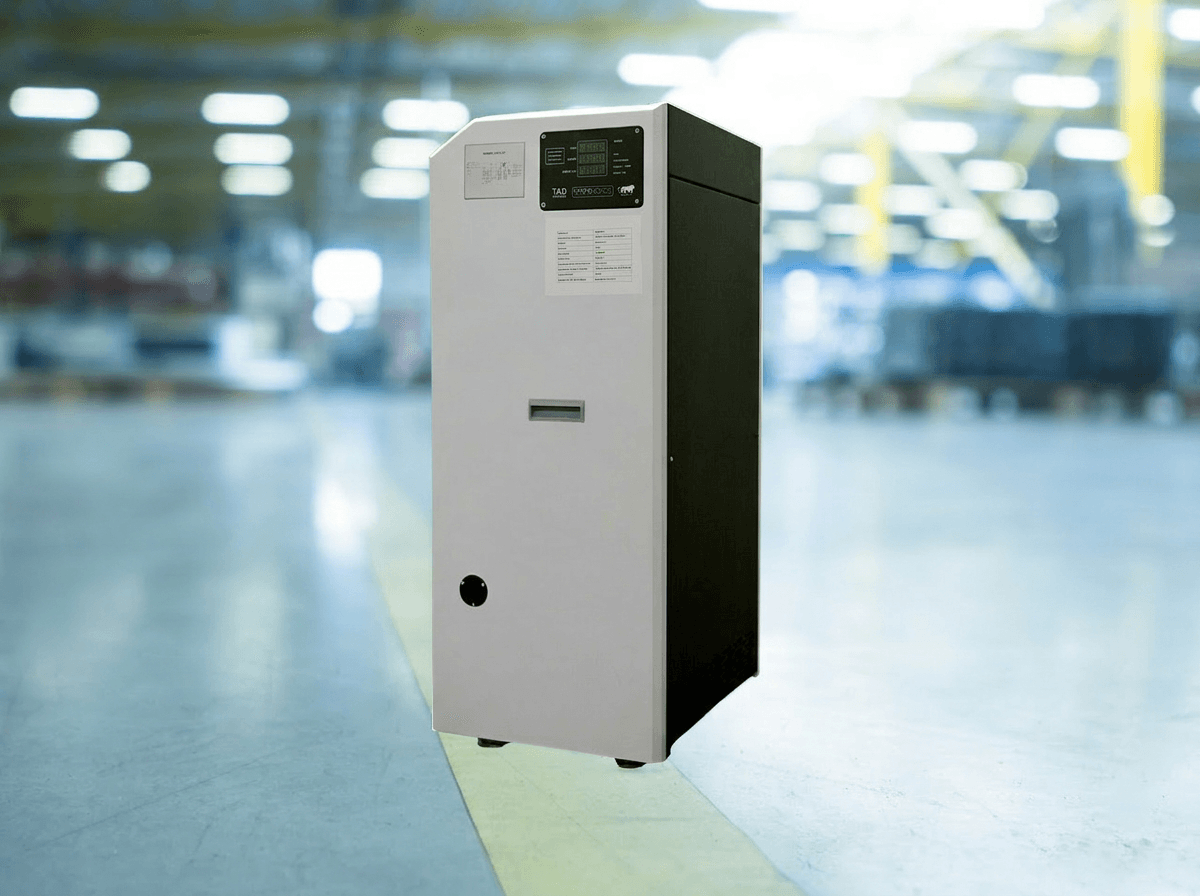
Refrigeration Dehumidifier
Refrigeration dehumidifiers provide economical moisture control by cooling air below its dew point. Perfect for warehouses, swimming pools, and general industrial applications where moderate humidity levels are sufficient.
View Technical Specifications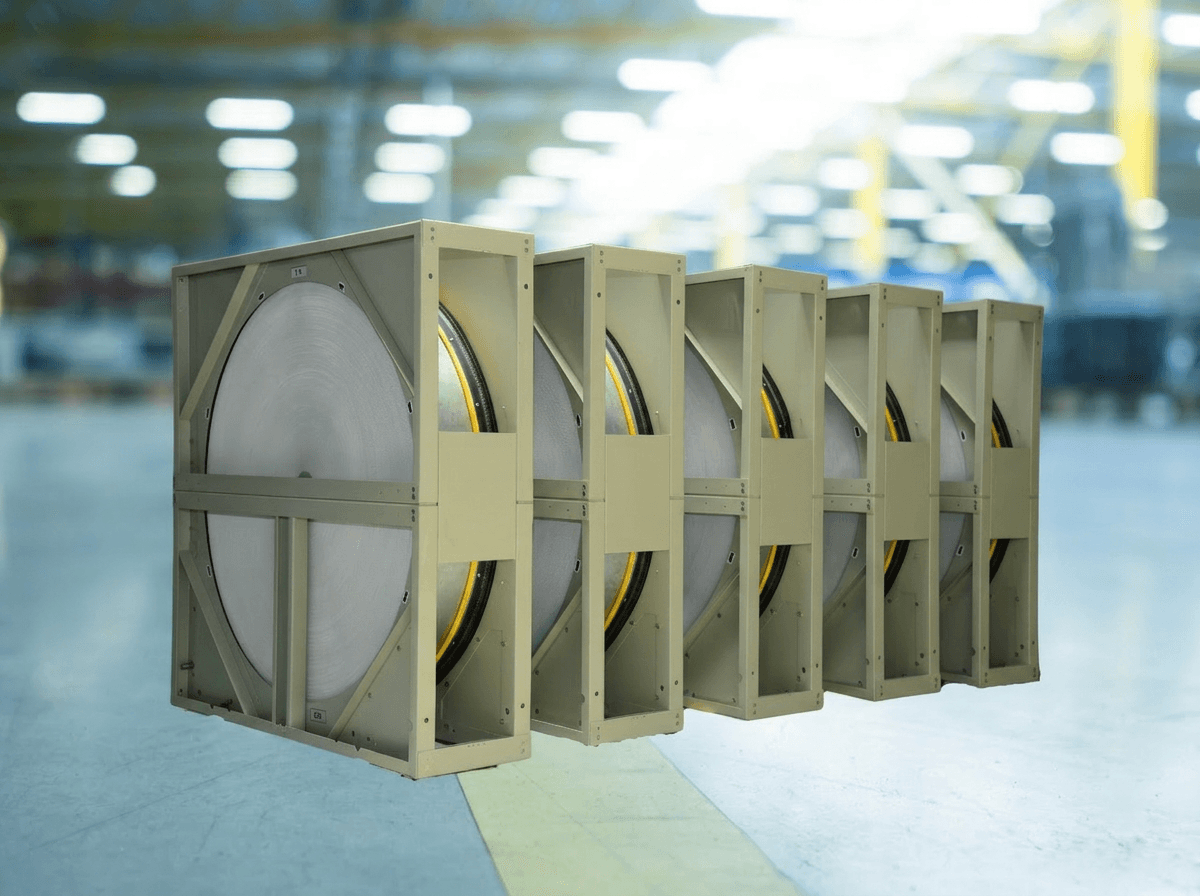
Heat Recovery Wheel
Air-to-air rotary heat exchangers recover heat energy from exhaust air in ventilation systems. Supply air is fed through one half of the continuously rotating rotor while exhaust air flows in counterflow through the other half, achieving energy savings of up to 90%. Available in sensible-only and enthalpy configurations.
View Technical Specifications