The Hidden Cost of Humidity in Electronics
In electronics manufacturing, even microscopic amounts of moisture can render an entire production batch defective. Surface-mount components (SMD), integrated circuits (IC), and printed circuit boards (PCB) are highly hygroscopic — they absorb moisture from ambient air. When these components pass through reflow ovens at 220–260°C, trapped moisture vaporizes explosively, causing "popcorning" — internal delamination that destroys the component.
A single humidity excursion can cost a mid-sized PCB manufacturer ₹15–40 lakhs in rejected output, plus the reputational damage of field failures discovered months later.
Industry Standards & RH Requirements
| Process | Target RH | Temperature |
|---|---|---|
| SMT Assembly Floor | 30–50% RH | 20–25°C |
| MSL Component Storage (J-STD-033) | < 10% RH | 25°C |
| Semiconductor Lithography | 40–50% RH ±2% | 20–22°C |
| PCB Lamination & Solder Paste Storage | 5–20% RH | 4–7°C |
| Wafer Storage (FOUP) | < 1% RH | 22°C |
| Final Assembly & Test | 35–55% RH | 22°C |
Electronics manufacturing facilities globally follow IPC/JEDEC J-STD-033 for moisture-sensitive device (MSD) handling. SORPS desiccant dehumidifiers achieve and maintain these strict specifications consistently — even in Indian monsoon conditions where ambient humidity touches 90% RH.
Why Desiccant Dehumidification Wins Over Cooling-Based Systems
Conventional refrigerant-based dehumidifiers struggle below 45% RH and become inefficient. Below dew point, they ice up and stop working. For electronics manufacturing — where 30% RH or lower is the norm — only desiccant rotor technology delivers reliable, energy-efficient performance.
SORPS desiccant dehumidifiers use silica gel or molecular sieve rotors that physically adsorb water vapor at any temperature, from sub-zero environments up to 50°C ambient. The result: stable RH control regardless of outside weather.
SORPS Solutions for Electronics Manufacturers
For SMT Assembly Lines
- Recommended: DD3000 to DD10000 (3,000–10,000 CMH airflow)
- Maintains 35–45% RH across factory floor
- Integration with existing AHU systems
- IoT-enabled real-time RH monitoring
For Dry Cabinets & MSL Storage
- Recommended: DD1000 to DD2500 with low dew point rotor
- Achieves < 5% RH for J-STD-033 Level 1 components
- Compact footprint for component warehouses
- Continuous operation with auto-regeneration
For Semiconductor Cleanrooms
- Recommended: DD5000 to DD30000 (custom configured)
- Class 100 to Class 10,000 cleanroom compatible
- Stainless steel construction options
- Pre-cooling and post-cooling integration
For Component Reel Storage
- Recommended: DD1000 to DD3000
- Integration with N₂ purge cabinets
- IoT temperature + RH logging for compliance audits
Real-World Applications
- ✓
SMT (Surface Mount Technology) Production: Prevent solder paste degradation, ensure reliable component placement, eliminate tombstoning defects.
- ✓
PCB Lamination: Control prepreg moisture content for consistent thickness and bond strength.
- ✓
Battery Pack Assembly (non-Li): Maintain dry environment for sensitive battery management systems.
- ✓
Wave Soldering: Reduce solder bath oxidation and dross formation.
- ✓
Capacitor & Resistor Manufacturing: Prevent moisture-induced parameter drift in passive components.
Why SORPS for Your Electronics Facility
Frequently Asked Questions
What is the recommended humidity level for an SMT assembly floor?
Industry consensus is 30–50% RH, ideally 40% ±5%. Below 30% increases ESD (electrostatic discharge) risk; above 50% risks moisture absorption in components and solder paste degradation.
Can SORPS dehumidifiers be integrated with existing HVAC systems?
Yes. We design retrofit solutions that integrate with existing AHU systems and BMS (Building Management Systems). Pre-cooling, post-cooling, and energy recovery options are available.
How quickly can SORPS deliver a custom unit for an electronics facility?
Standard DD-series models ship in 6–8 weeks. Custom configurations with special materials or cleanroom compatibility require 8–12 weeks.
Do you offer dry cabinets for MSL component storage?
We supply the dehumidification systems that feed N₂-purged or dry cabinets. For full cabinet solutions, we partner with cabinet manufacturers and provide turnkey integrated systems.
What's the energy cost of running a desiccant dehumidifier 24/7?
A DD3000 unit (3,000 CMH) consumes approximately 33 kW total power. Energy cost depends on local tariffs — typically ₹2,000–4,000 per day for continuous operation, offset by zero rejection from humidity-related defects.
Related Industries

Related Dehumidifier Systems
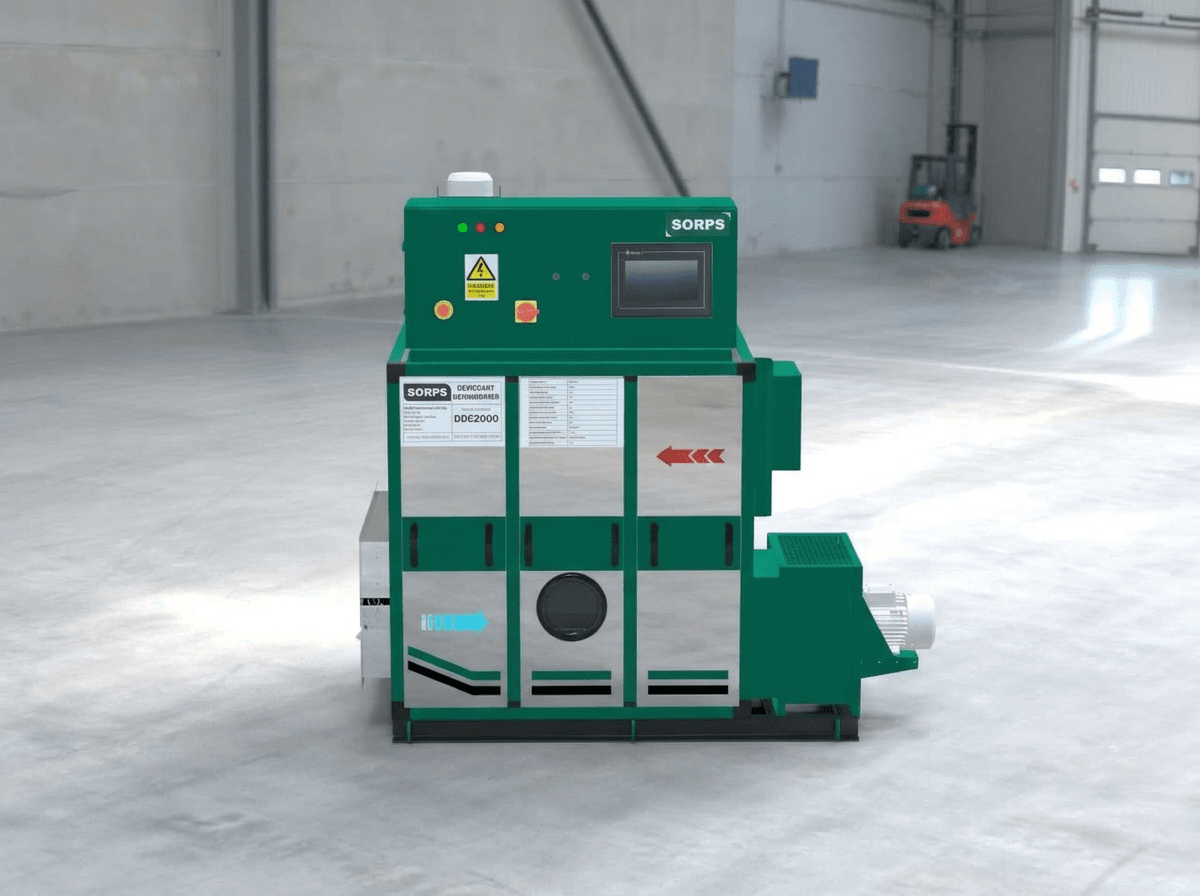
Desiccant Dehumidifier
Our desiccant dehumidifiers use advanced silica gel or molecular sieve technology to achieve ultra-low humidity levels. Ideal for pharmaceutical, food processing, and manufacturing environments where precise humidity control is essential.
View Technical Specifications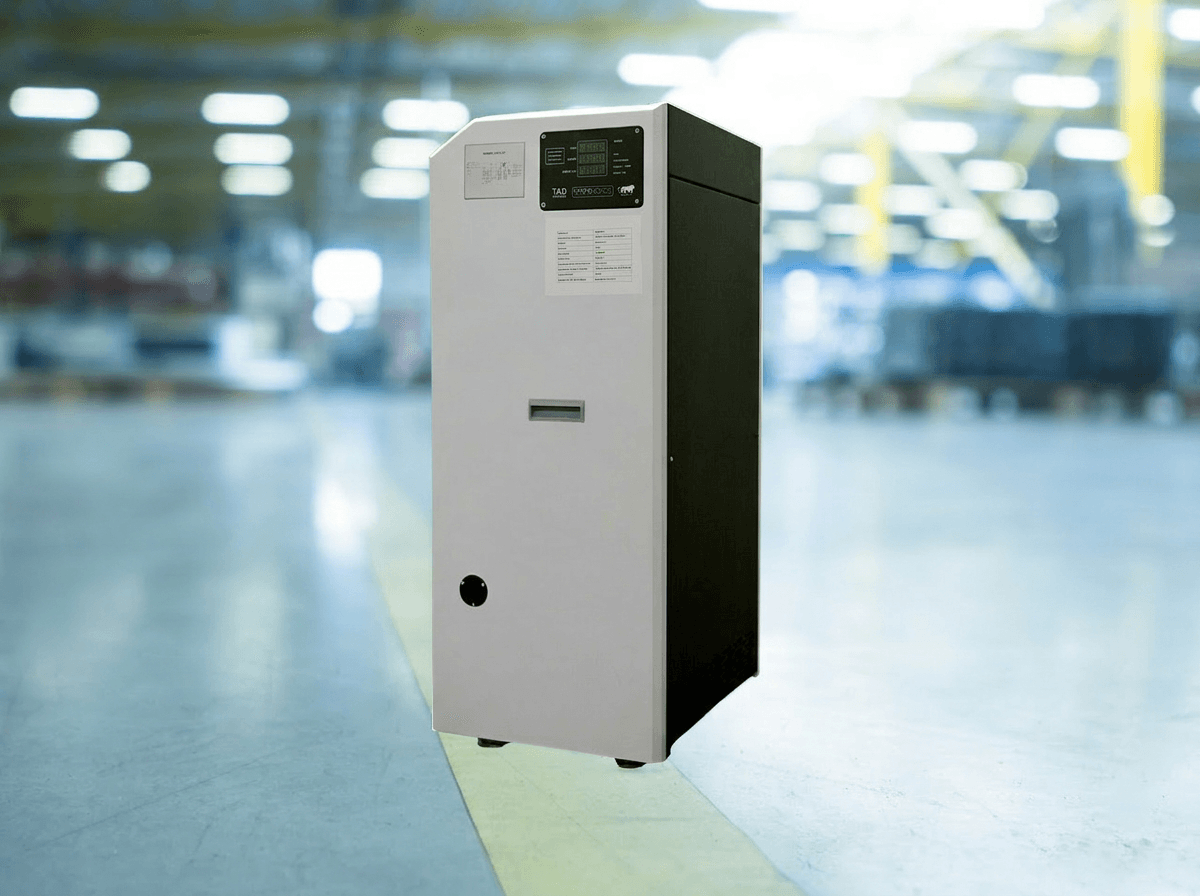
Refrigeration Dehumidifier
Refrigeration dehumidifiers provide economical moisture control by cooling air below its dew point. Perfect for warehouses, swimming pools, and general industrial applications where moderate humidity levels are sufficient.
View Technical Specifications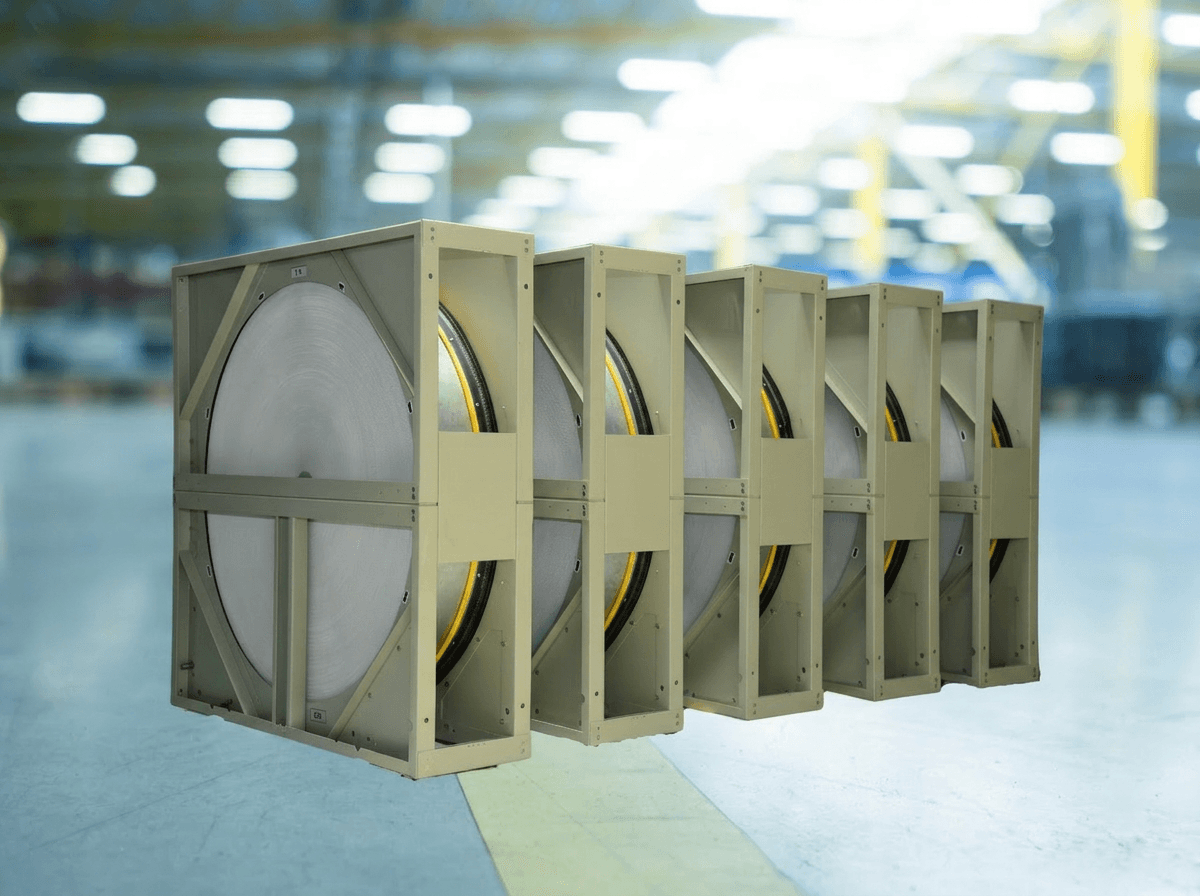
Heat Recovery Wheel
Air-to-air rotary heat exchangers recover heat energy from exhaust air in ventilation systems. Supply air is fed through one half of the continuously rotating rotor while exhaust air flows in counterflow through the other half, achieving energy savings of up to 90%. Available in sensible-only and enthalpy configurations.
View Technical Specifications