The Critical Role of Humidity in the Chemical Industry
Many chemicals — particularly fertilisers, salts, detergents, and pharmaceutical intermediates — are highly hygroscopic. They absorb moisture from ambient air, causing caking, lump formation in stored bulk powders, reduced flowability in conveying lines, and hydrolysis of sensitive intermediates.
Major Indian fertiliser plants and chemical manufacturers face significant losses from humidity-related quality issues — particularly during monsoon months.
Industry Standards & Recommended RH
| Operation | Target RH | Temperature |
|---|---|---|
| Urea Bagging Hall | 30–40% RH | 25–30°C |
| DAP / NPK Storage | 30–40% RH | Ambient |
| Ammonium Nitrate Handling | 25–35% RH | <30°C |
| Specialty Chemical Powders | 20–40% RH | 22–28°C |
| Detergent Powder Plant | 30–45% RH | 25–30°C |
Key Applications for SORPS Dehumidifiers
1. Urea Bagging & Bulk Storage
Urea is among the most hygroscopic fertilisers. Stored urea absorbs moisture, caking into hard lumps that block bag fillers and reduce field application performance. SORPS high-capacity DD10000–DD40000 units maintain stable dry conditions in warehouses to ensure continuous bagging operations.
2. Specialty Chemical Powders & Catalysts
Custom organic salts, detergents, and catalysts (like zeolites and alumina) require precise humidity environments (often <20% RH) to preserve flowability and prevent chemical deactivation before packaging.
3. Corrosive & Explosion-Hazardous Environments
Chemical synthesis often creates corrosive atmospheres. SORPS offers specialized SS316 custom builds with epoxy-coated coils and ATEX-certified flameproof options for Zone 1/Zone 2 hazardous plant environments.
Why SORPS for the Chemical Industry
Frequently Asked Questions
My urea plant is in coastal India — what's the minimum RH I need to achieve?
For urea bagging halls, target 35% RH or lower. Coastal plants with 85%+ ambient RH require higher-capacity dehumidification — typically DD15000–DD30000 for a mid-sized bagging operation.
Can your dehumidifiers handle corrosive chemical environments?
Yes. We offer stainless steel construction (SS304/SS316), epoxy coatings, and special filter media for corrosive applications. Specify chemical exposure during quotation.
Do you supply explosion-proof units for hazardous areas?
Yes. For Zone 1 / Zone 2 hazardous areas (per IEC 60079), we provide ATEX-rated motors, control panels, and intrinsically safe instrumentation. Specify hazardous area classification at quotation.
What's the typical sizing for a fertiliser bagging hall?
A standard bagging hall (50m × 30m × 8m = 12,000 m³) with 4–6 bag fillers typically requires DD15000–DD25000 depending on infiltration rate and target RH.
Do you provide integrated dehumidification + heat recovery solutions?
Yes. Combining a desiccant dehumidifier with our SORPS Heat Recovery Wheel reduces energy consumption by up to 50% — particularly valuable for chemical plants with continuous operation.
Related Industries

Related Dehumidifier Systems
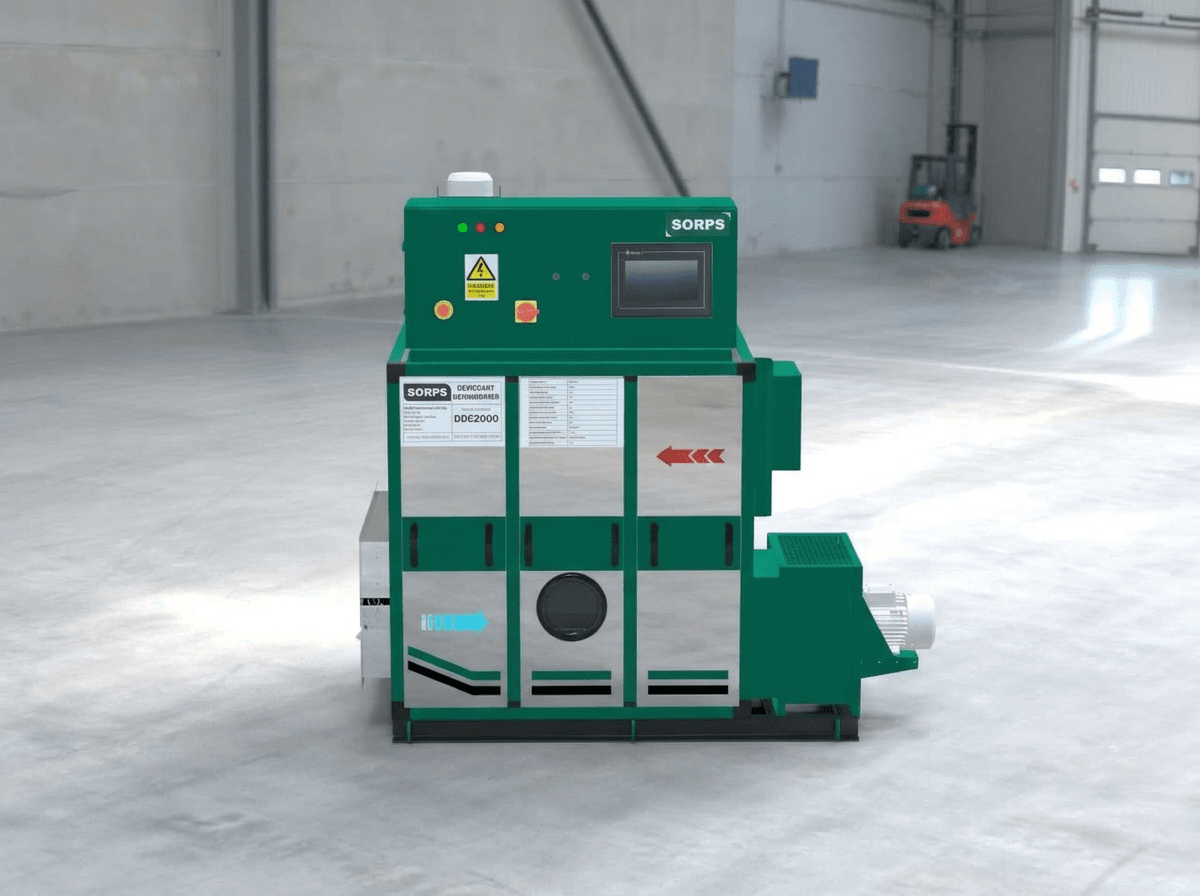
Desiccant Dehumidifier
Our desiccant dehumidifiers use advanced silica gel or molecular sieve technology to achieve ultra-low humidity levels. Ideal for pharmaceutical, food processing, and manufacturing environments where precise humidity control is essential.
View Technical Specifications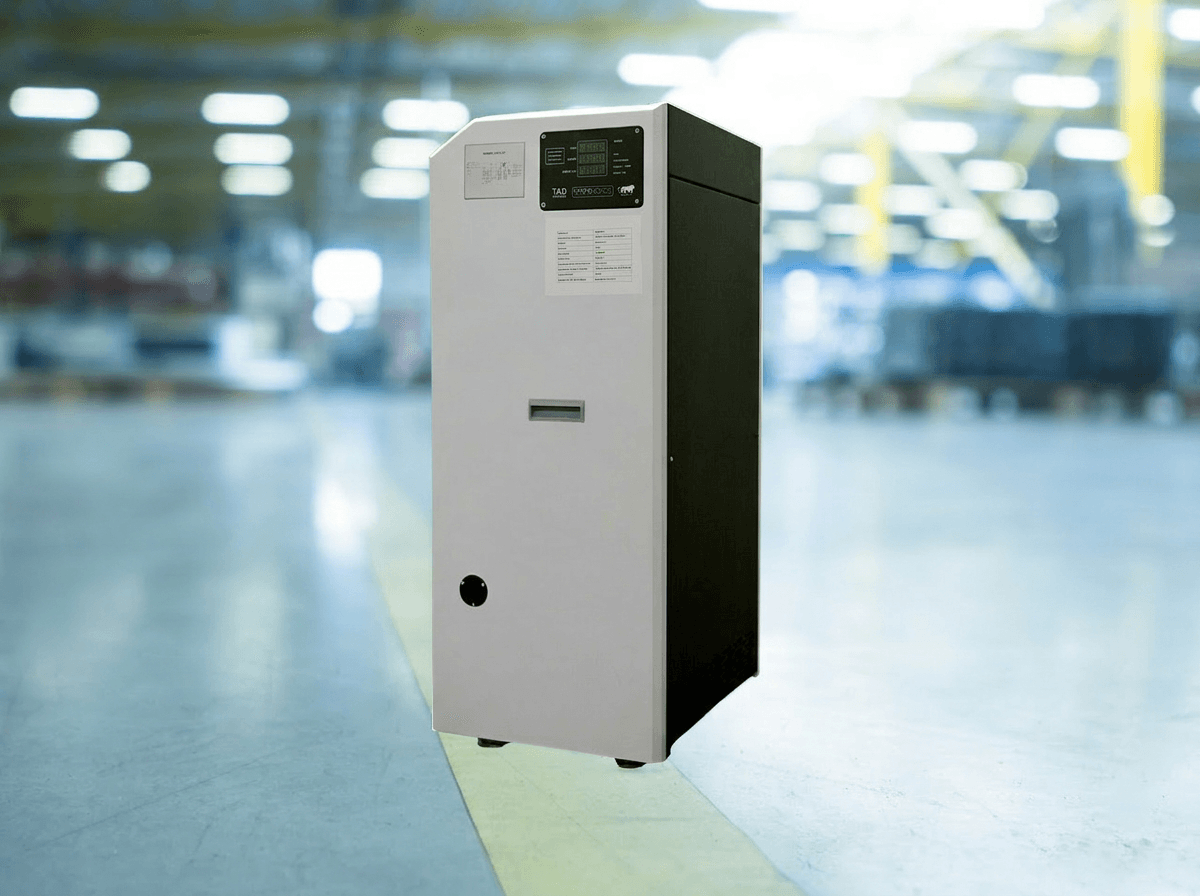
Refrigeration Dehumidifier
Refrigeration dehumidifiers provide economical moisture control by cooling air below its dew point. Perfect for warehouses, swimming pools, and general industrial applications where moderate humidity levels are sufficient.
View Technical Specifications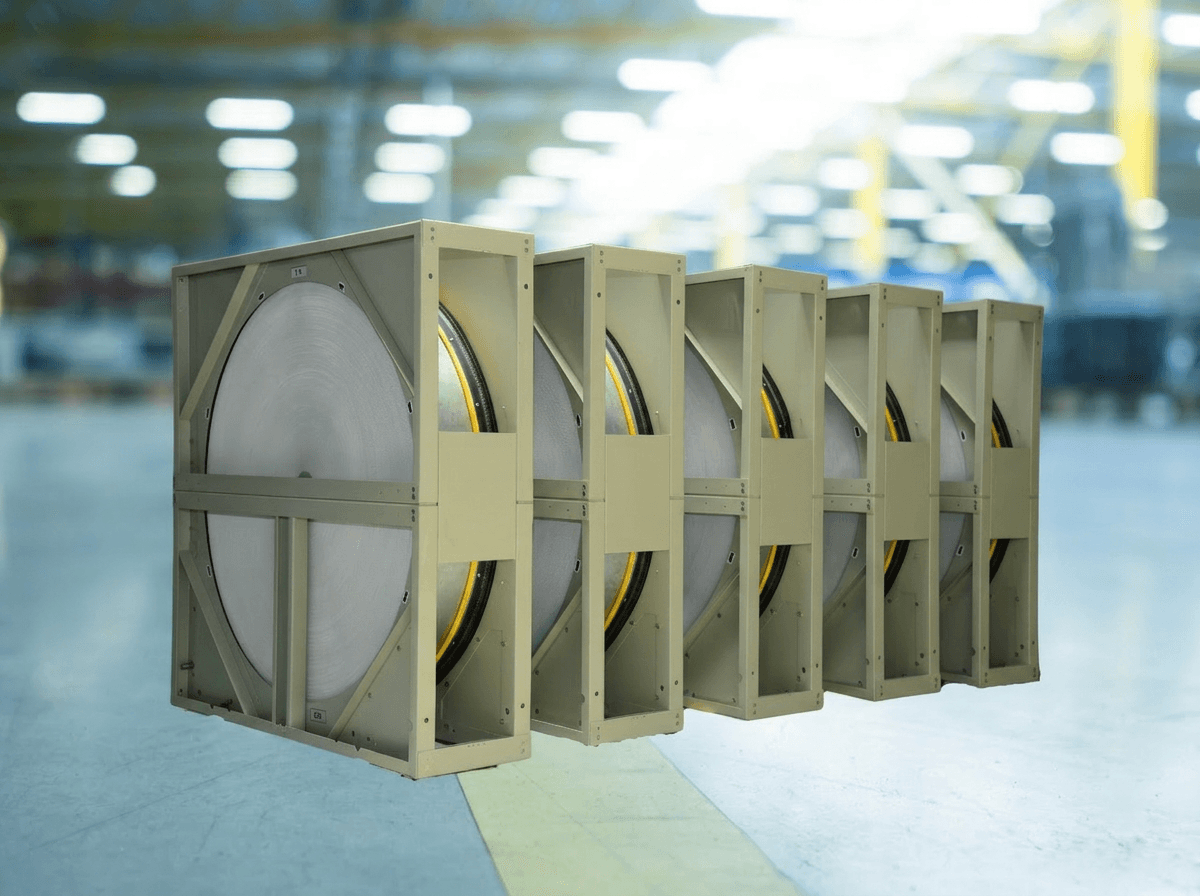
Heat Recovery Wheel
Air-to-air rotary heat exchangers recover heat energy from exhaust air in ventilation systems. Supply air is fed through one half of the continuously rotating rotor while exhaust air flows in counterflow through the other half, achieving energy savings of up to 90%. Available in sensible-only and enthalpy configurations.
View Technical Specifications