Why Hospital Humidity Control Is Non-Negotiable
In healthcare environments, humidity isn't just about comfort — it directly affects surgical site infection (SSI) rates, diagnostic equipment reliability, drug stability, and microbial proliferation inside the HVAC ductwork.
Maintaining relative humidity within the NABH-recommended window is critical. Too dry, and you risk static discharge near oxygen-rich areas. Too humid, and pathogens like mold and bacteria can multiply rapidly.
Recommended Humidity Ranges by Hospital Zone
| Area | Target RH | Temperature | ACH (Air Changes/hr) |
|---|---|---|---|
| Operation Theatre (Class A) | 40–60% RH | 19–24°C | 20+ |
| ICU / CCU | 40–60% RH | 22–24°C | 6+ |
| Sterile Storage (CSSD) | 35–60% RH | 18–22°C | 4+ |
| Hospital Pharmacy | <60% RH | 15–25°C | Per design |
| Pathology Lab | 45–55% RH | 22–24°C | 6+ |
| Imaging Rooms (MRI, CT) | 30–60% RH | 18–22°C | 6+ |
Healthcare Applications for SORPS Dehumidifiers
1. Operation Theatre HVAC Integration
Modern OTs operate as positive-pressure cleanrooms. SORPS desiccant dehumidifiers integrate seamlessly with existing HEPA-filtered AHU systems, delivering stable RH control during monsoon periods when fresh air intake brings in moisture.
2. Sterile Storage & CSSD
Sterilized surgical instruments and implant packs require dry storage (35–60% RH) to preserve pack integrity and maintain sterility barrier systems before usage.
3. Hospital Pharmacy & Lab Compliance
WHO TRS 961 guidelines require pharmacies and reagent storage areas to be kept below 60% RH. Pathology instruments and MRI suites also require stable humidity to prevent sensor calibration drifts and helium cooling issues.
Why SORPS for Healthcare
Frequently Asked Questions
Is humidity control mandatory for NABH accreditation?
NABH requires documented evidence of HVAC parameters including humidity for accredited departments (OT, ICU, CSSD, Pharmacy). While specific RH ranges aren't always mandated, demonstrating control is essential.
What's the difference between desiccant and refrigerant dehumidification for hospitals?
Refrigerant dehumidifiers work well above 50% RH but struggle below. For OTs and CSSDs requiring stable RH in the 40–55% range across all seasons, desiccant dehumidifiers deliver more reliable performance — especially during monsoons.
Can SORPS units be retrofitted into existing hospital HVAC?
Yes. We design retrofit solutions for existing AHU systems. Most retrofits require 3–7 days of planned downtime, scheduled during low-occupancy periods.
Do you provide IQ/OQ/PQ validation for pharmaceutical-grade hospital applications?
Yes. For accredited hospitals and clinical research facilities, we provide complete validation documentation including installation qualification, operational qualification, and performance qualification.
What's the typical capacity needed for a 100-bed hospital?
Heavily depends on which areas require humidity control. A typical mid-size hospital with 4 OTs, ICU, CSSD, and pharmacy might require 15,000–25,000 CMH total dehumidification capacity, split across multiple units.
Do you support remote monitoring for multi-hospital chains?
Yes. Our IoT-enabled DD-series units support remote monitoring via web dashboard and mobile app. Multi-facility chains can monitor all units from a central control room.
Related Industries

Related Dehumidifier Systems
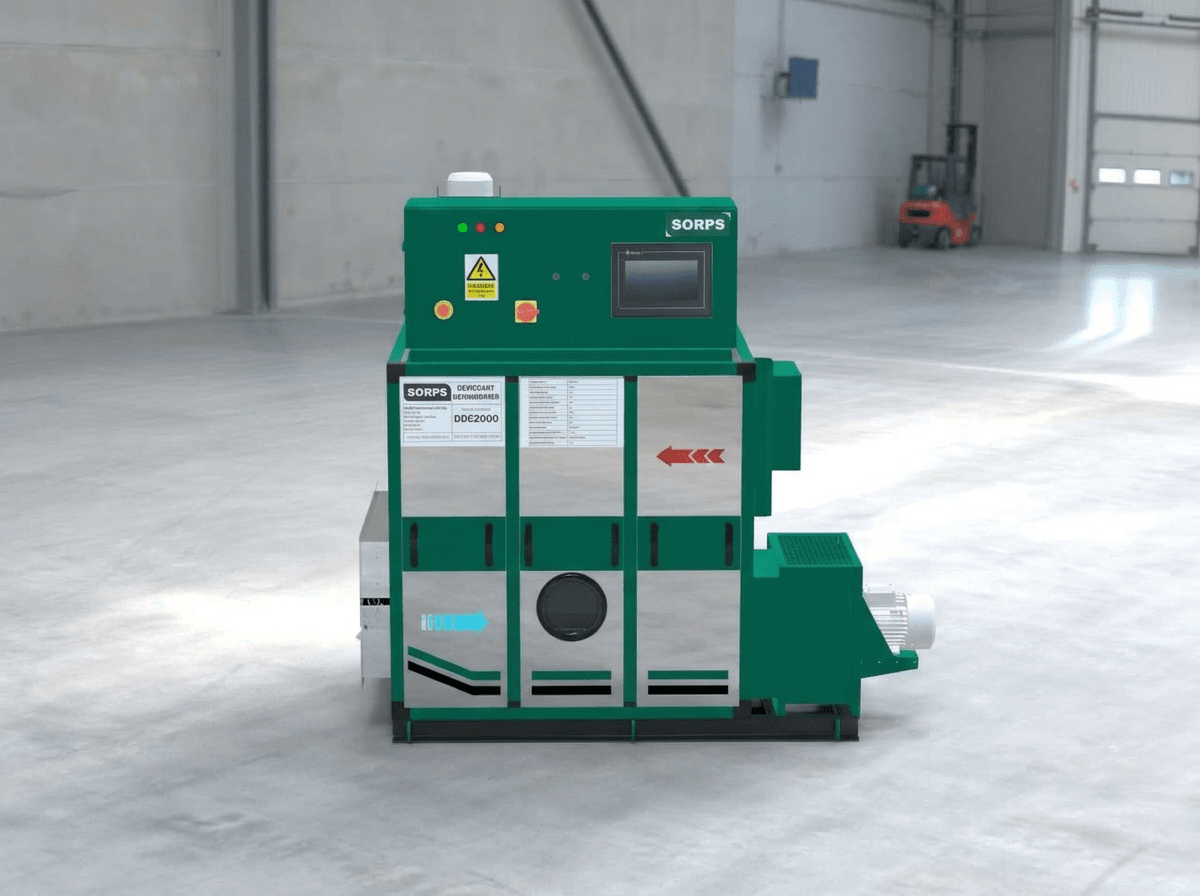
Desiccant Dehumidifier
Our desiccant dehumidifiers use advanced silica gel or molecular sieve technology to achieve ultra-low humidity levels. Ideal for pharmaceutical, food processing, and manufacturing environments where precise humidity control is essential.
View Technical Specifications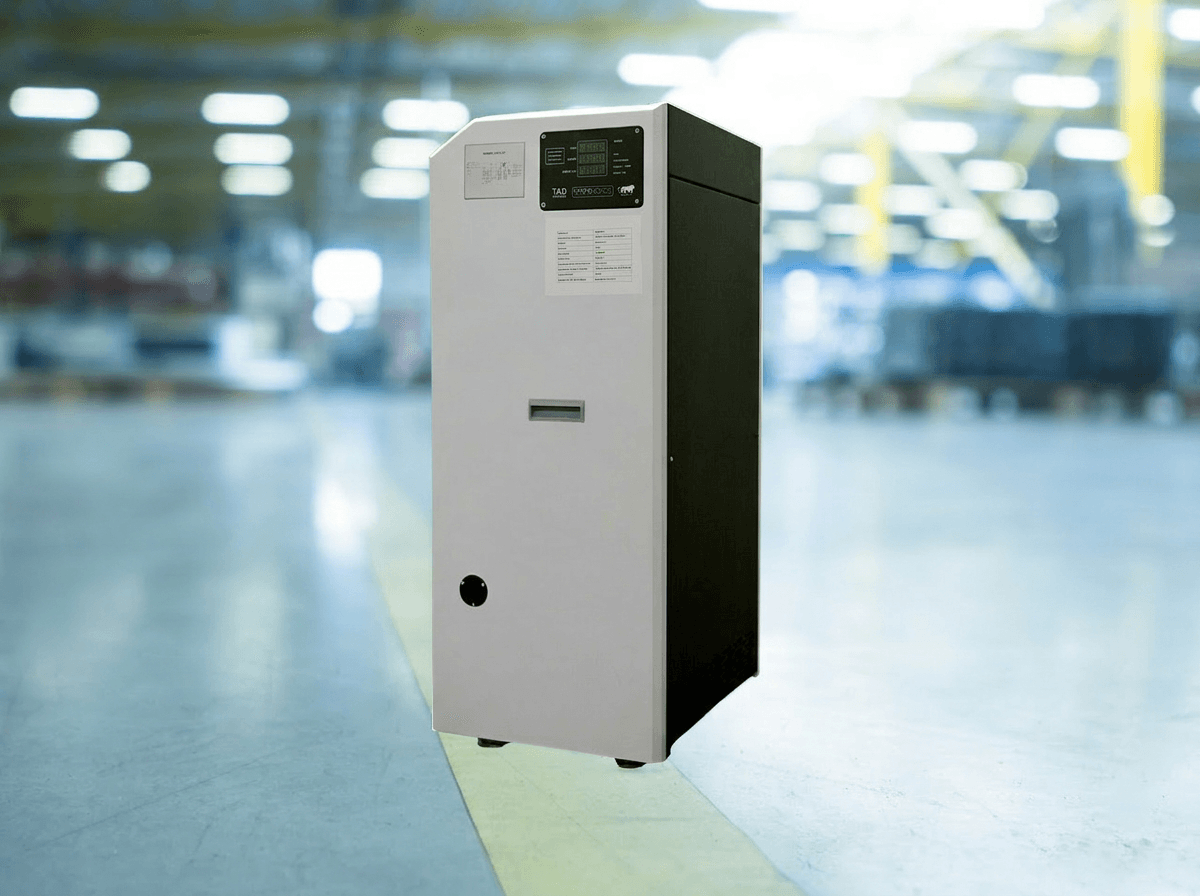
Refrigeration Dehumidifier
Refrigeration dehumidifiers provide economical moisture control by cooling air below its dew point. Perfect for warehouses, swimming pools, and general industrial applications where moderate humidity levels are sufficient.
View Technical Specifications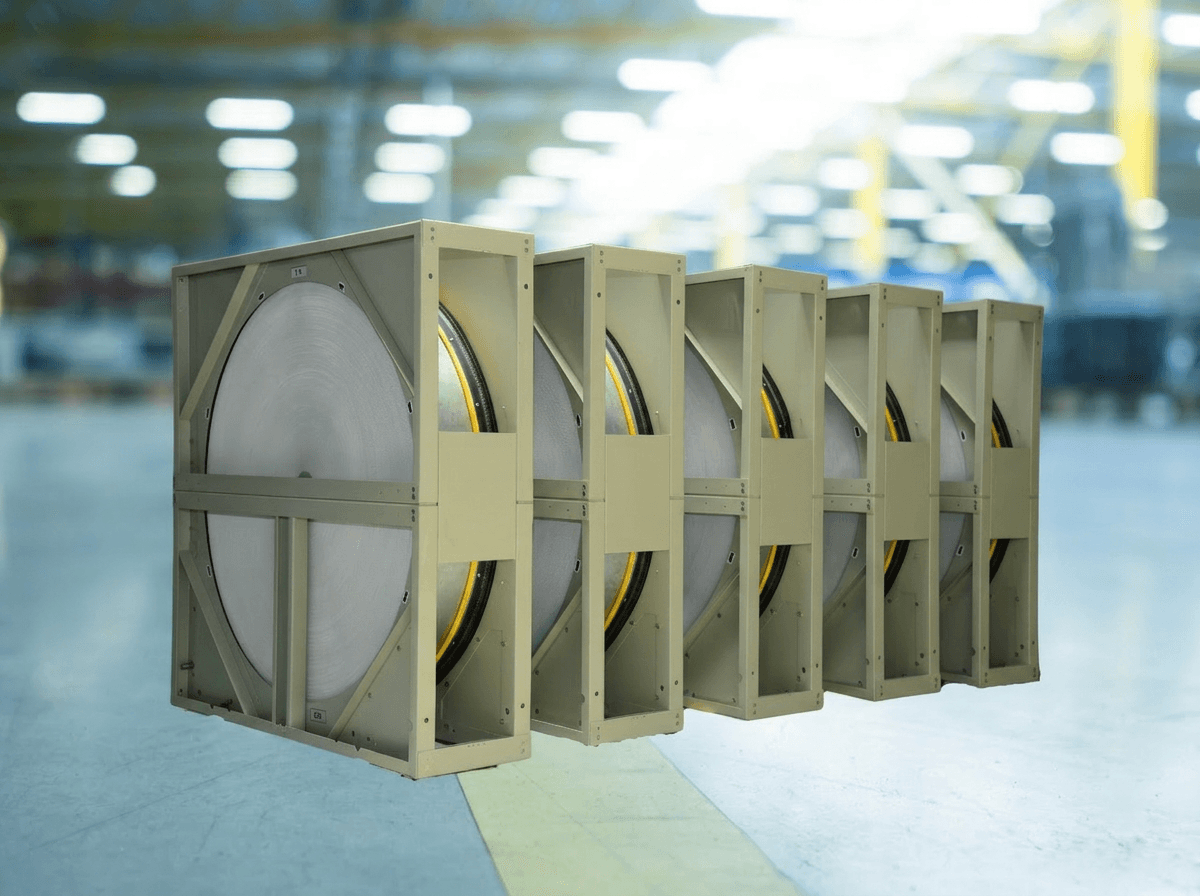
Heat Recovery Wheel
Air-to-air rotary heat exchangers recover heat energy from exhaust air in ventilation systems. Supply air is fed through one half of the continuously rotating rotor while exhaust air flows in counterflow through the other half, achieving energy savings of up to 90%. Available in sensible-only and enthalpy configurations.
View Technical Specifications