Why Humidity Matters in Leather & Textiles
Leather and textiles are highly hygroscopic — they absorb and release moisture from ambient air. This natural property is exactly why humidity control is critical:
For Leather
- Inconsistent moisture content causes uneven dyeing and cracking
- High humidity in finishing creates mold on stored hides
- Storage requires stable 50–65% RH to prevent damage
For Garments
- Static in dry conditions causes fabric handling problems
- High humidity warps natural fibers (cotton, wool, silk)
- Stored fabric rolls develop mildew within weeks
Recommended Humidity Ranges
| Process | Target RH | Temperature |
|---|---|---|
| Leather Drying Rooms | 40–55% RH | 25–40°C |
| Leather Finishing | 55–65% RH | 20–25°C |
| Garment Cutting Room | 50–60% RH | 22–24°C |
| Fabric Roll Storage | 50–60% RH | Ambient |
| Lamination & Bonding | 45–55% RH | 22–26°C |
Applications Where SORPS Delivers Value
1. Leather Drying Rooms
Traditional drying depends on natural weather, causing drying times to double during monsoons. SORPS dehumidifiers maintain consistent drying parameters, reducing drying times from 7 days to just 2–3 days.
2. Garment Production & Lamination
Large sewing floors suffer from fabric warping and machinery performance drops under high humidity. In lamination and digital embroidery sections, precise RH prevents adhesive failures and registration issues.
3. Fabric & Yarn Storage
Roll storage warehouses for premium fibers (silk, wool, technical textiles) require active protection (50–60% RH) to eliminate mildew and raw material weight fluctuations.
Why SORPS for Textile & Leather Manufacturers
Frequently Asked Questions
Can SORPS dehumidifiers help during India's monsoon season?
Yes. Monsoon humidity (often 85–95% RH) is exactly when dehumidification delivers the most value. SORPS units maintain stable factory RH regardless of ambient conditions.
Will dehumidification dry out my leather/fabric too much?
No — that's why precise RH control matters. We design systems that maintain your target RH (e.g., 55%) within ±5% tolerance. Over-drying is prevented by humidity setpoint control.
What's the energy cost compared to running additional air conditioning?
Air conditioning removes some humidity but is inefficient below 60% RH and energy-intensive. Desiccant dehumidification is significantly more efficient for precision humidity control, especially below 50% RH.
Can I get a dehumidifier just for my fabric warehouse?
Yes. We supply standalone units (DD1000–DD3000) for storage applications. No HVAC integration required — just install, connect electrical, and operate.
Do you supply units for export markets (Bangladesh, Sri Lanka, Vietnam)?
Yes. SORPS supplies to garment manufacturing hubs across South Asia and Southeast Asia. We provide CE marking and export documentation as required.
Related Industries

Related Dehumidifier Systems
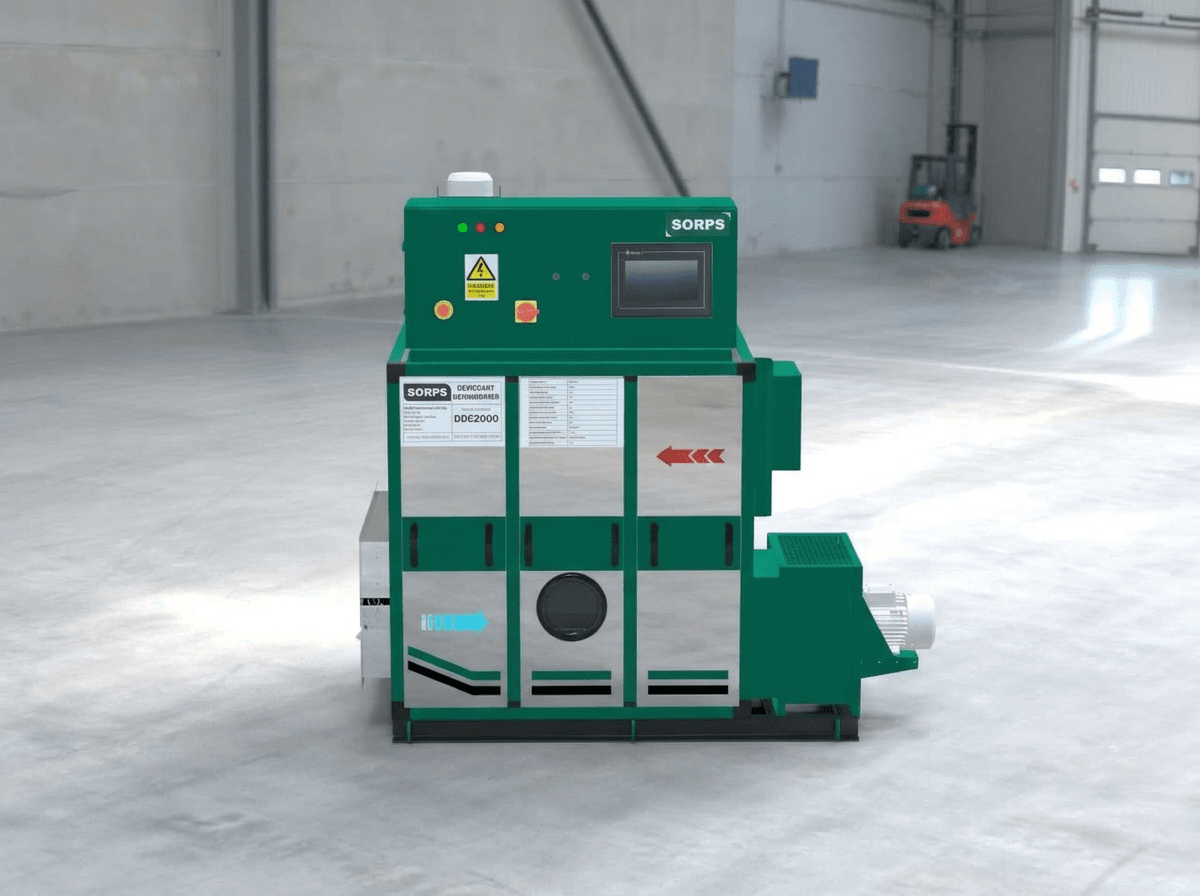
Desiccant Dehumidifier
Our desiccant dehumidifiers use advanced silica gel or molecular sieve technology to achieve ultra-low humidity levels. Ideal for pharmaceutical, food processing, and manufacturing environments where precise humidity control is essential.
View Technical Specifications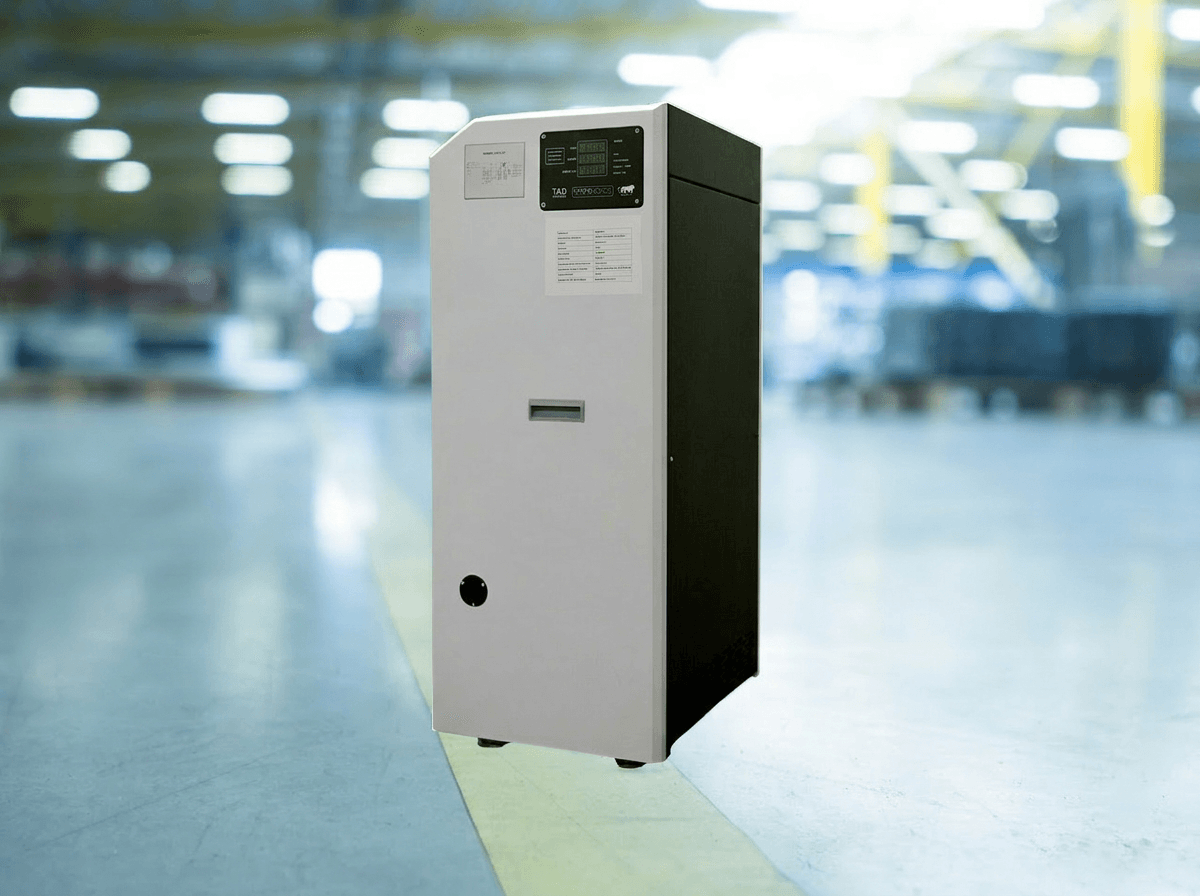
Refrigeration Dehumidifier
Refrigeration dehumidifiers provide economical moisture control by cooling air below its dew point. Perfect for warehouses, swimming pools, and general industrial applications where moderate humidity levels are sufficient.
View Technical Specifications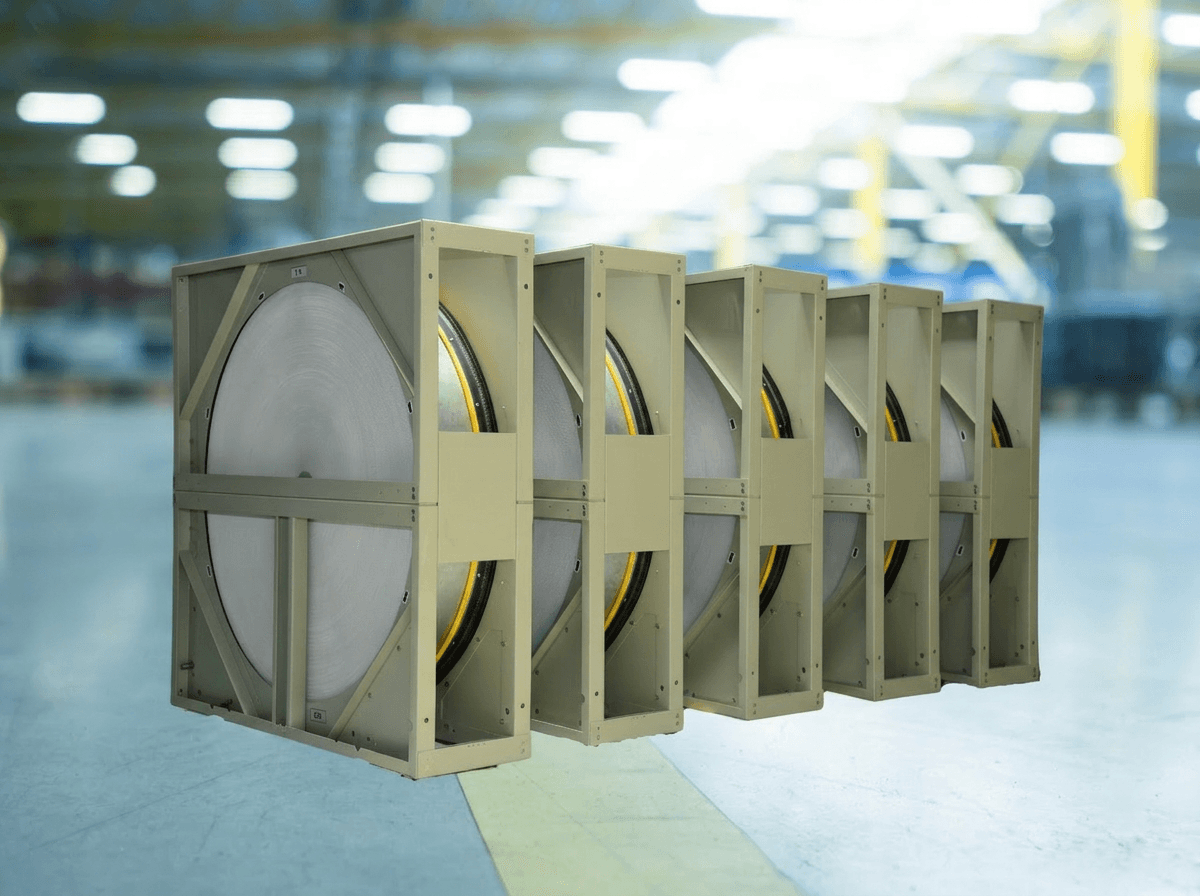
Heat Recovery Wheel
Air-to-air rotary heat exchangers recover heat energy from exhaust air in ventilation systems. Supply air is fed through one half of the continuously rotating rotor while exhaust air flows in counterflow through the other half, achieving energy savings of up to 90%. Available in sensible-only and enthalpy configurations.
View Technical Specifications