Power Industry's ₹1,000+ Crore Humidity Problem
A single utility-scale gas turbine costs ₹150–500 crores. Yet turbines worth thousands of crores sit idle in Indian power plants for weeks or months during seasonal maintenance, fuel shortages, or grid demand fluctuations.
During these idle periods, ambient humidity causes hot corrosion of turbine blades, pitting corrosion in boiler tubes, stress corrosion cracking, and insulation degradation in generator windings (decreased megger values). The financial impact of a corrosion-induced turbine blade failure can exceed ₹50 crores.
Standards & Requirements
Power industry humidity preservation follows established global standards:
| Application | Target RH | Reference Standard |
|---|---|---|
| Gas Turbine Layup | 35–45% RH | OEM (GE, Siemens, BHEL) guidelines |
| Steam Turbine Dry Layup | <40% RH | EPRI Cycle Chemistry Guidelines |
| Generator Stator Preservation | <40% RH | IEEE Std 43 |
| Transformer Maintenance | <50% RH | IEC 60296 |
| Boiler Wet/Dry Layup | <30% RH | ASME PTC |
Critical Power Industry Applications
Gas Turbine & Steam Turbine Layup
Turbines require strict humidity control during shutdown. Internal compressor surfaces, hot gas path components, and combustion chambers are highly vulnerable. EPRI guidelines recommend dry preservation when shutdown exceeds 7 days. SORPS supplies mobile or fixed DD3000–DD15000 units connected directly to casing ports to eliminate internal corrosion.
Generator & Transformer Protection
Generator insulation absorbs moisture during layup, leading to decreased dielectric strength and failure on restart. Power transformers in storage also absorb moisture rapidly. Active dehumidification eliminates the need for expensive vacuum drying before re-commissioning.
Wind Turbine Nacelles & Hydro Caves
Offshore wind turbines face salt-laden, high-humidity air that corrodes gears and electricals. SORPS supplies marine-grade SS304/316 compact units. In underground hydro powerhouses, dehumidifiers prevent condensation on cold piping and cavern walls.
Why SORPS for Power & Utilities
Frequently Asked Questions
Why can't I just use silica gel bags for turbine layup?
Silica gel bags work for small enclosures and short durations. For a 200 MW gas turbine over a multi-month shutdown, the moisture load is enormous and silica gel saturates within days. Active dehumidification with regenerable rotors is the only viable solution.
How does dry-air preservation compare to nitrogen blanketing?
Both prevent oxidation. Dry air is significantly cheaper to maintain, easier to monitor, and doesn't displace breathable atmosphere. Nitrogen is preferred where chemistry demands oxygen-free conditions. Many plants use both — N₂ for water-touched components, dry air for the rest.
Can SORPS dehumidifiers be used for active operation, not just layup?
Yes. Compressor inlet air conditioning, control room HVAC, switchgear room dehumidification, and turbine generator hall climate control all run continuously.
What's the typical sizing for a 250 MW gas turbine layup?
Approximately DD5000–DD7000 (5,000–7,000 CMH) for the turbine casing volume, depending on leakage rate and target RH. Final sizing requires actual enclosure volume and infiltration measurement.
Do you provide commissioning support and operator training?
Yes. Our service team provides on-site commissioning, operator training, and 24-hour technical support for critical power applications.
Related Industries

Related Dehumidifier Systems
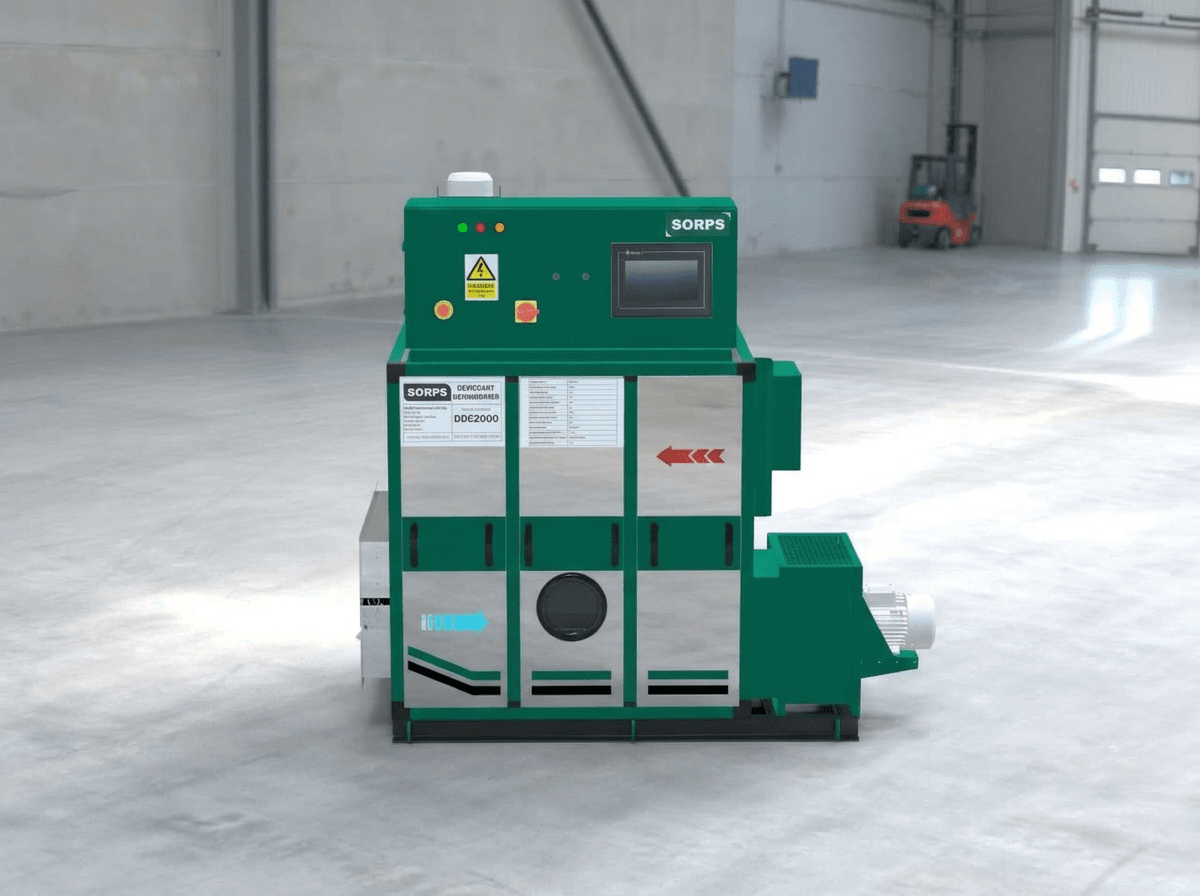
Desiccant Dehumidifier
Our desiccant dehumidifiers use advanced silica gel or molecular sieve technology to achieve ultra-low humidity levels. Ideal for pharmaceutical, food processing, and manufacturing environments where precise humidity control is essential.
View Technical Specifications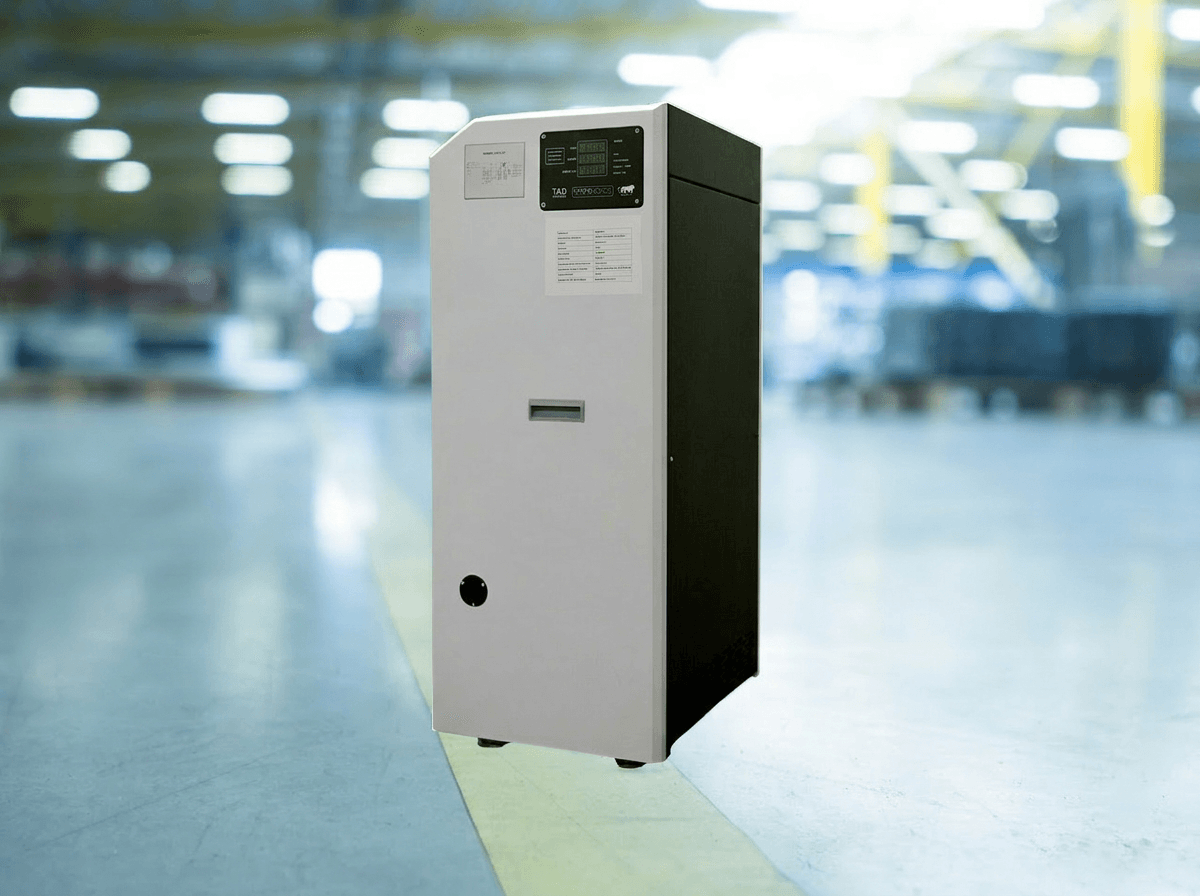
Refrigeration Dehumidifier
Refrigeration dehumidifiers provide economical moisture control by cooling air below its dew point. Perfect for warehouses, swimming pools, and general industrial applications where moderate humidity levels are sufficient.
View Technical Specifications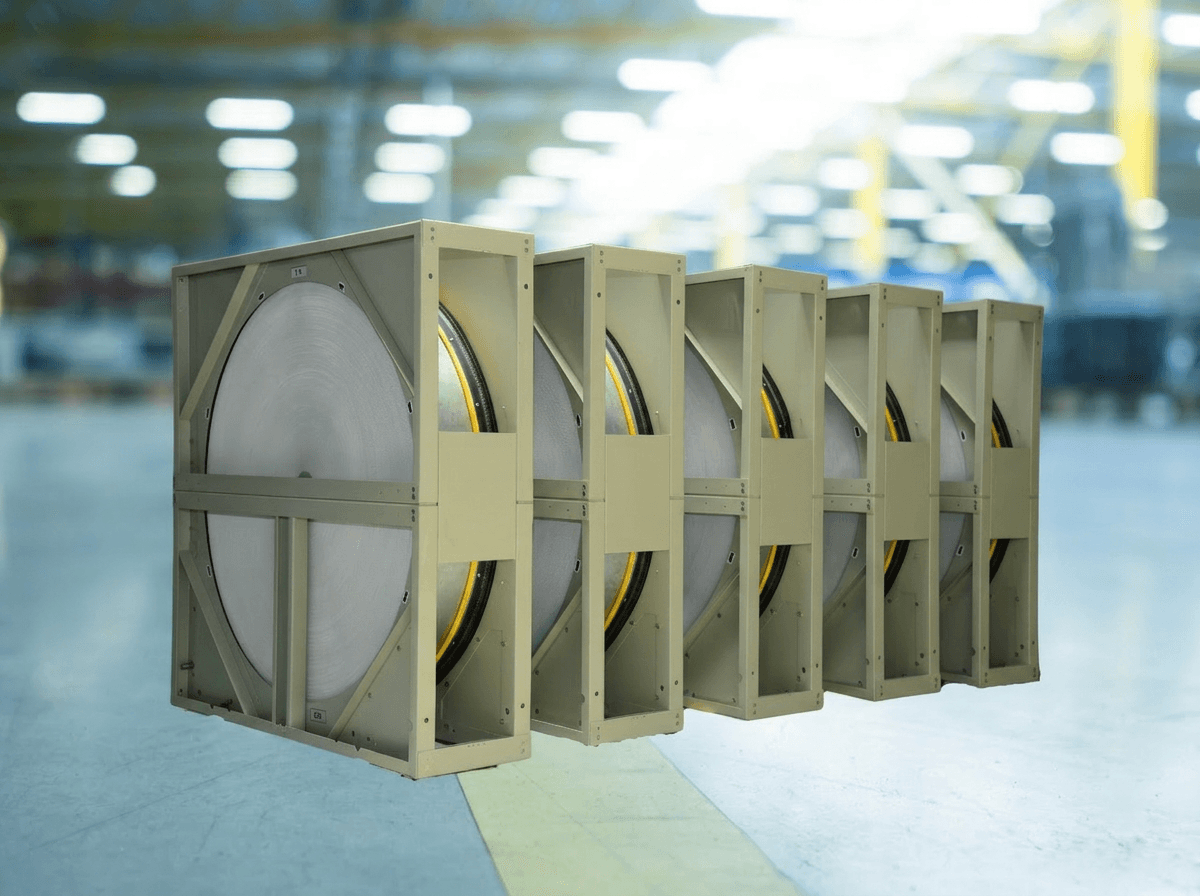
Heat Recovery Wheel
Air-to-air rotary heat exchangers recover heat energy from exhaust air in ventilation systems. Supply air is fed through one half of the continuously rotating rotor while exhaust air flows in counterflow through the other half, achieving energy savings of up to 90%. Available in sensible-only and enthalpy configurations.
View Technical Specifications