Why Paper Is the Most Humidity-Sensitive Industrial Material
Paper is essentially a sponge made of cellulose fibers. It constantly absorbs and releases moisture, expanding and contracting in the process. A 1% change in paper moisture content can cause dimensional changes, curling, warping, and misregistration in multi-color printing.
In Indian climatic conditions where humidity swings from 30% RH in summer to 90% RH in monsoon, paper-based packaging and printing industries face severe reject rates without active dehumidification.
Standards & Recommended Humidity Levels
| Operation | Target RH | Temperature |
|---|---|---|
| Offset Printing Press Hall | 45–55% RH | 22–25°C |
| Digital Printing | 45–55% RH | 22–24°C |
| Paper Storage Warehouse | 45–55% RH | Ambient |
| Corrugated Box Plant | 50–60% RH | 22–28°C |
| Packaging Converting | 45–55% RH | 22–25°C |
Where SORPS Dehumidifiers Add Value
1. Offset & Packaging Printing
Multi-color offset printing demands stable paper dimensions for accurate registration. SORPS dehumidifiers maintain stable press hall RH, reducing makeready time, lowering waste, and ensuring color consistency.
2. Corrugated Box Plants
Corrugating operations are highly moisture-sensitive. Excess RH causes flute crush, low Edge Crush Test (ECT) values, and warped board sheets. Proper plant climate control preserves box structural integrity.
3. Paper Storage & Mills
Bulk paper storage in monsoon-prone regions causes wavy edges and unrunnable web breaks at high press speeds. Controlled warehouse RH preserves paper roll quality from factory to print shop.
Why SORPS for Paper & Printing
Frequently Asked Questions
Will dehumidification slow down my paper mill drying section?
No — dehumidification is applied to ambient air conditions, not directly to wet paper. Properly designed systems supplement drying without affecting machine operation.
My printing plant is in Mumbai/Chennai — does monsoon humidity really affect print quality?
Significantly. Coastal printing operations report 15–25% higher waste during monsoon due to misregistration, paper dust issues, and slow-drying inks. RH control eliminates these issues.
What's the typical ROI for a printing plant dehumidification project?
For commercial offset plants, ROI is typically 8–14 months based on reduced waste, increased press speeds, and lower makeready times. Heavy paper users see faster payback.
Can SORPS dehumidifiers handle paper dust and lint?
Yes. Our DD-series units include G4-grade leak-tight filters as standard. For very dusty environments, we provide upgraded F7/F9 pre-filtration.
Do you supply to corrugated box manufacturers?
Yes. We have multiple installations in corrugated plants across India. Sizing depends on plant area, ambient conditions, and ventilation requirements.
Related Industries



Related Dehumidifier Systems
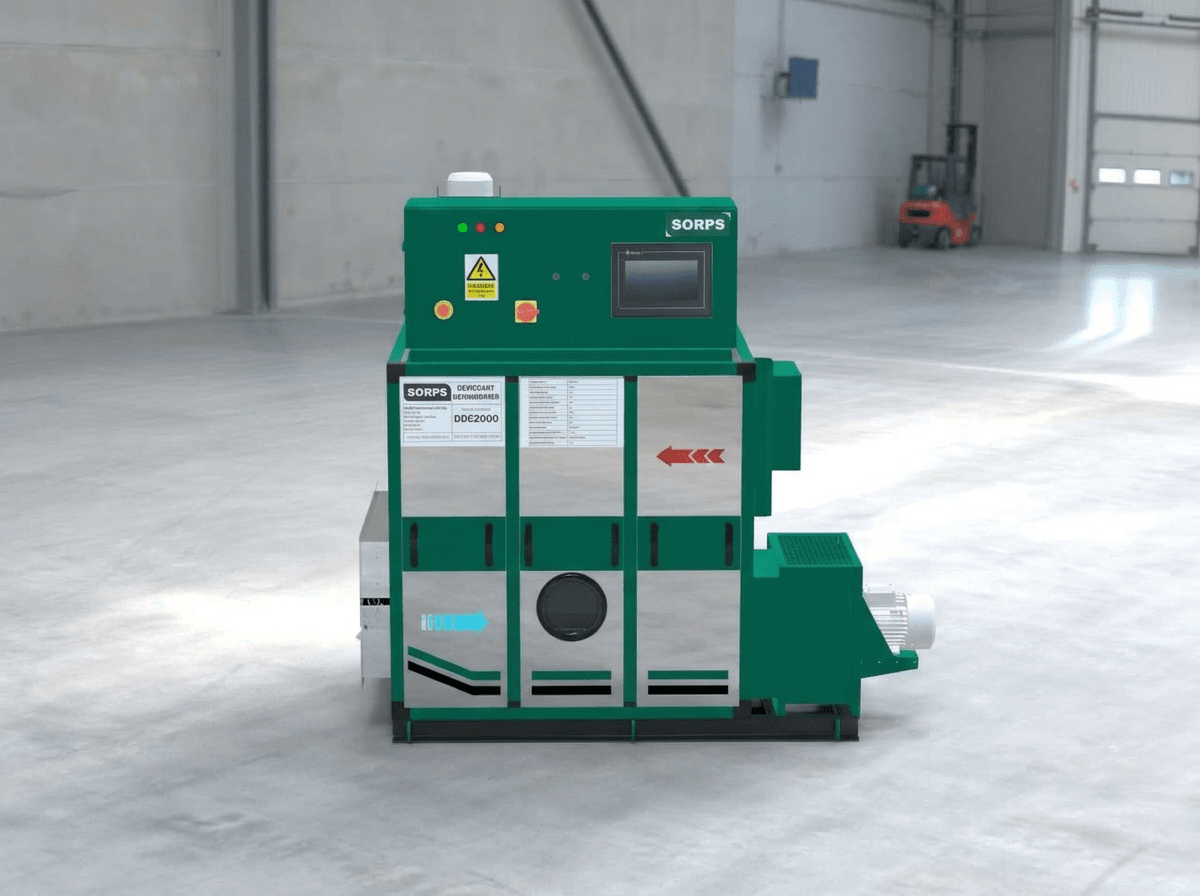
Desiccant Dehumidifier
Our desiccant dehumidifiers use advanced silica gel or molecular sieve technology to achieve ultra-low humidity levels. Ideal for pharmaceutical, food processing, and manufacturing environments where precise humidity control is essential.
View Technical Specifications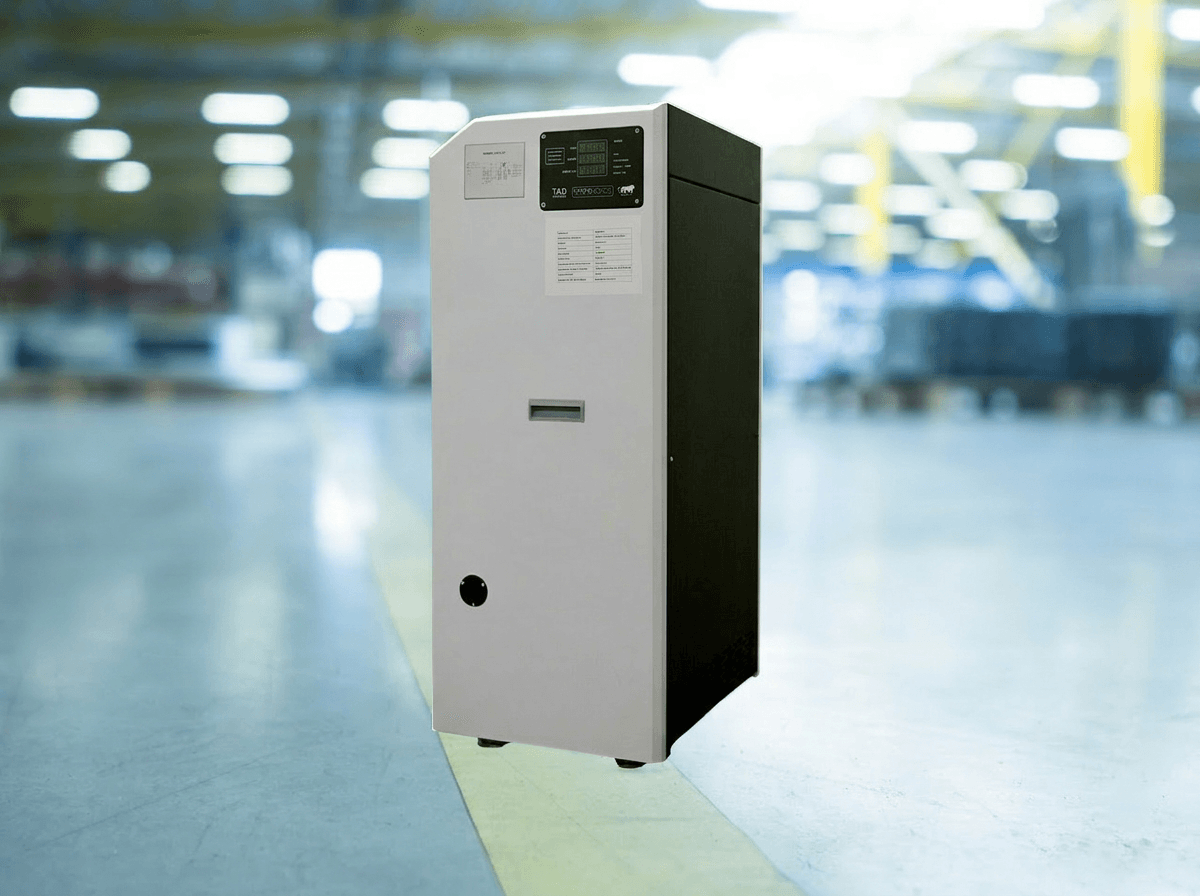
Refrigeration Dehumidifier
Refrigeration dehumidifiers provide economical moisture control by cooling air below its dew point. Perfect for warehouses, swimming pools, and general industrial applications where moderate humidity levels are sufficient.
View Technical Specifications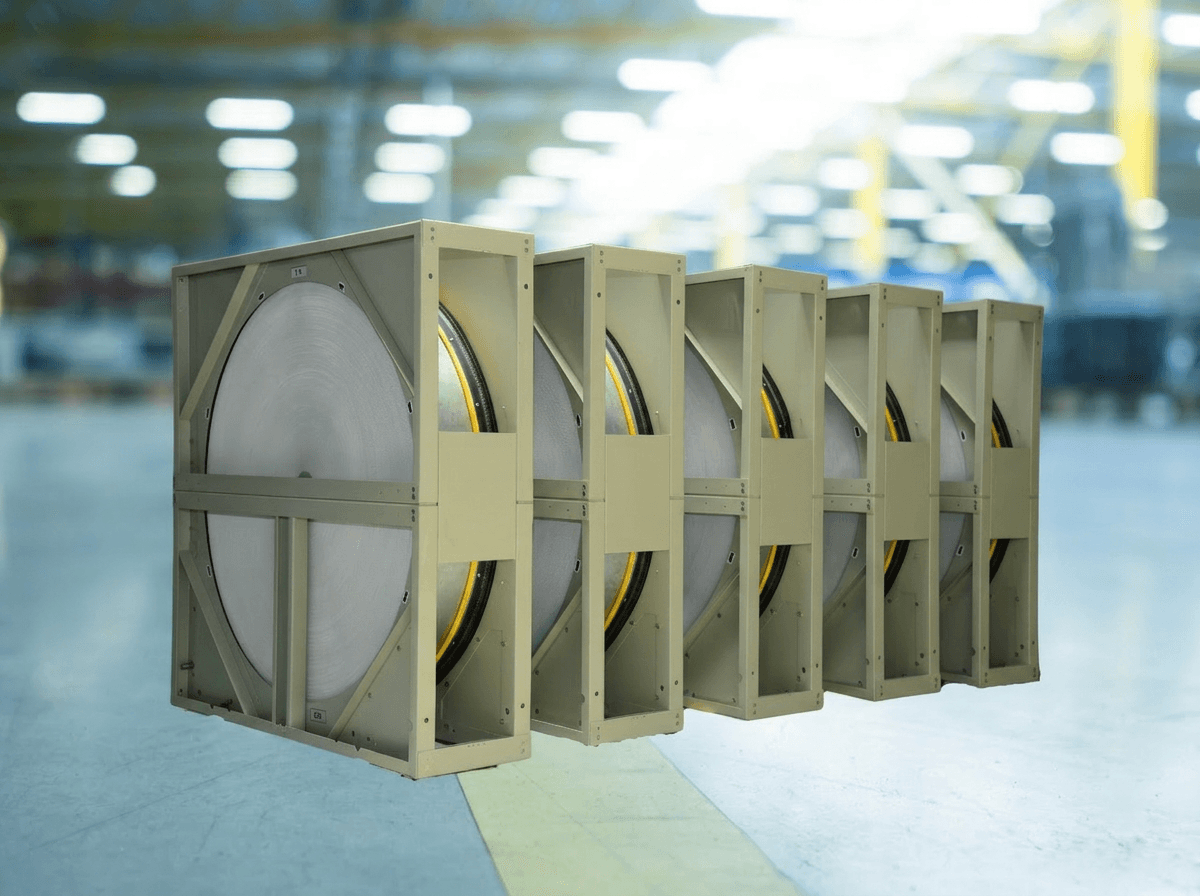
Heat Recovery Wheel
Air-to-air rotary heat exchangers recover heat energy from exhaust air in ventilation systems. Supply air is fed through one half of the continuously rotating rotor while exhaust air flows in counterflow through the other half, achieving energy savings of up to 90%. Available in sensible-only and enthalpy configurations.
View Technical Specifications